Feeds:
Posts
Comments

Archive for August, 2025

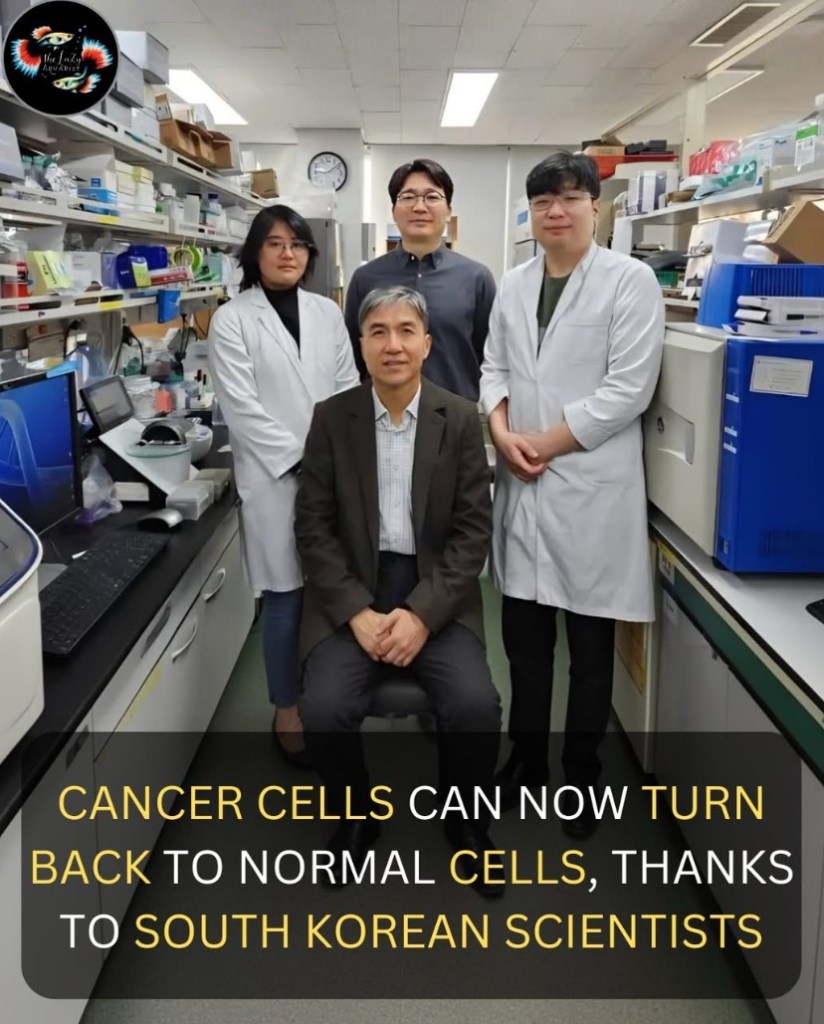
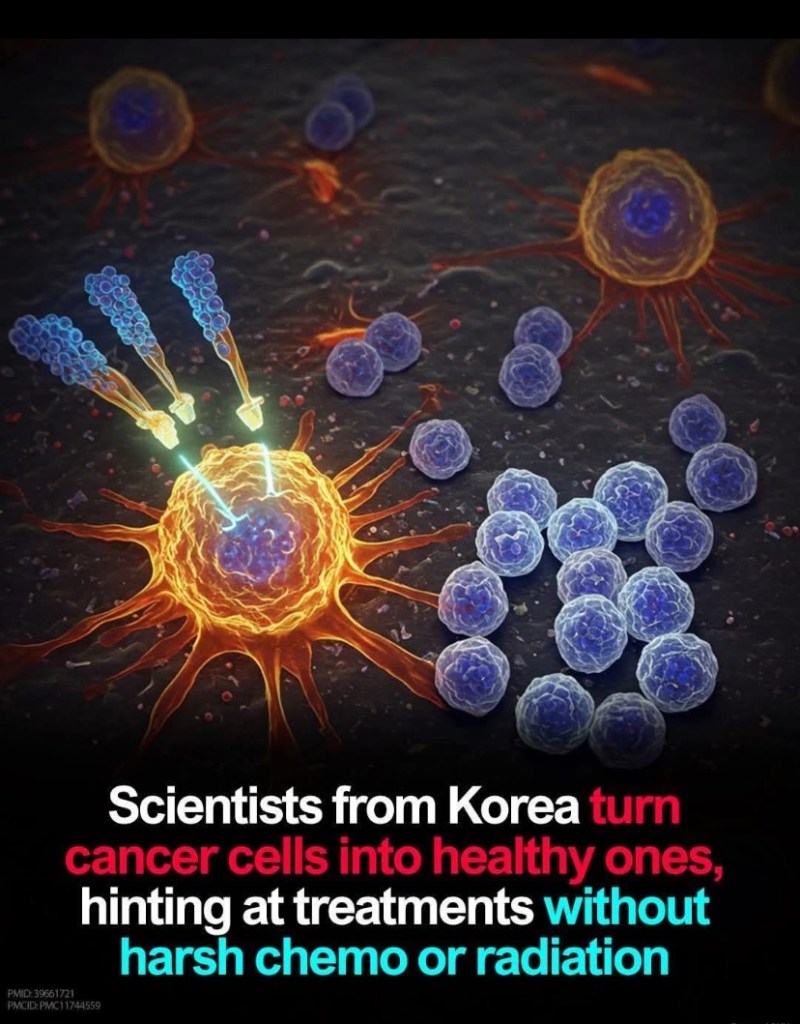
In a medical breakthrough, scientists in South Korea have figured out how to actually reprogram cancer cells back into healthy, normal tissue—without relying on chemotherapy, radiation, or invasive surgeries. This new approach could completely change how we treat cancer, shifting the goal from destroying tumors to gently persuading them to act like healthy cells again. Using an advanced AI tool they developed called BENEIN, researchers at KAIST mapped out the complex gene networks inside cancer cells to identify the “master switches” that make them behave so dangerously. They zeroed in on three key genes—MYB, HDAC2, and FOXA2. By simultaneously silencing these genes in colorectal cancer cells, they didn’t just slow the cancer down; they triggered a transformation. The cancer cells started showing markers of healthy intestinal cells, effectively switching sides.

When they tested this approach in mice, tumors from these reprogrammed cells were 70% smaller and looked a lot more like normal tissue under the microscope. This method not only promises fewer side effects—like the nausea, exhaustion, and organ damage that come with chemo and radiation—but could also slash healthcare costs and give patients a gentler option. The idea is a philosophical shift too, treating cancer less like a vicious enemy to destroy and more like confused cells that can be guided back to health. While challenges remain, such as finding safe delivery methods and proving long-term stability, this groundbreaking research hints at a future where cancer treatment could mean renewal instead of ruin.

Research Paper 📄
Control of Cellular Differentiation Trajectories for Cancer Reversion.
Adv. Sci. 2025, 12, 2402132.
DOI : 10.1002/advs.202402132
PMID: 39661721
PMCID: PMC11744559
Read Full Post »

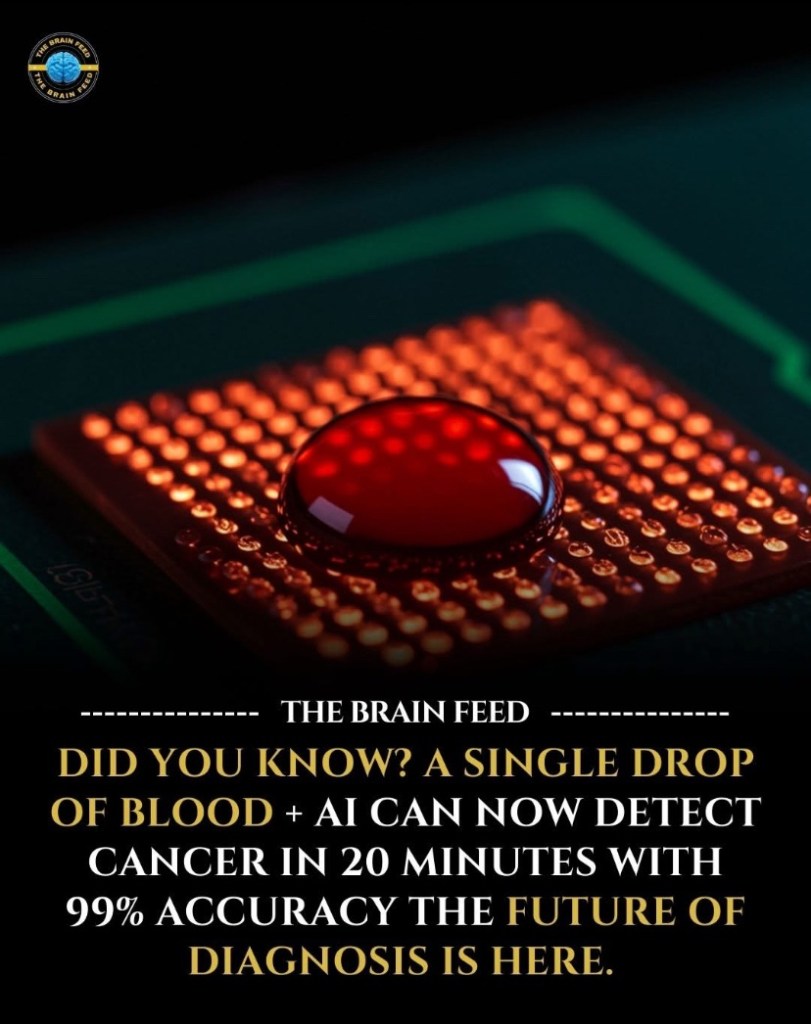
Scientists in Korea have created an AI-powered biosensor that can spot cancer from just one drop of blood and do it in only 20 minutes. The device detects DNA methylation, chemical marks tied to tumor growth, by using gold nanoparticles to massively amplify signals. AI then analyzes the light patterns to identify cancer with 99% accuracy, even distinguishing early-stage tumors from advanced ones. Tested on colorectal cancer patients, the sensor proved highly precise while requiring far less blood than traditional tests. Researchers say it could eventually screen for other diseases, like autoimmune disorders or Alzheimer’s, making this a potential game-changer for fast, non-invasive diagnosis at clinics or even at home.

Read Full Post »

Cancer Vaccine…

A groundbreaking cancer vaccine called ELI-002 2P has shown extraordinary promise against pancreatic and colorectal cancers, two of the deadliest forms of cancer. Unlike personalized vaccines, ELI-002 2P is an “off-the-shelf” therapy targeting KRAS mutations, which drive 93% of pancreatic and 50% of colorectal cases. In a trial of 25 patients recovering from surgery, 84% developed KRAS-specific T cells, with nearly one-quarter experiencing complete tumor clearance. Among the strongest responders, most remained cancer-free nearly 20 months later, far exceeding typical survival outcomes. By targeting lymph nodes directly, the vaccine primes the immune system to prevent recurrence offering a potentially accessible, cost-effective, and powerful new tool in cancer care. Larger trials are now underway to confirm its impact.

Read Full Post »

Read Full Post »

Read Full Post »

Scientists at KAIST (Korea Advanced Institute of Science and Technology) have discovered how to reprogram cancer cells back into healthy cells — without destroying them!

This new method could revolutionize cancer treatment forever.

How It Works:
• They used AI models to create a digital twin of healthy cells
• Identified “molecular switches” like MYB, HDAC2, FOXA2
• Flipped these switches to turn cancer cells back to normal

Tested successfully in both lab & animal models

Why It’s a Game-Changer:

✅ No chemo or radiation
✅ No damage to healthy cells
✅ Less resistance, less recurrence
✅ Future of side-effect–free cancer treatment

This is more than just science — it’s hope for millions

Read Full Post »

Read Full Post »

Read Full Post »