
Archive for December, 2025
Posted in Uncategorized on December 29, 2025| Leave a Comment »
Posted in Uncategorized on December 20, 2025| Leave a Comment »
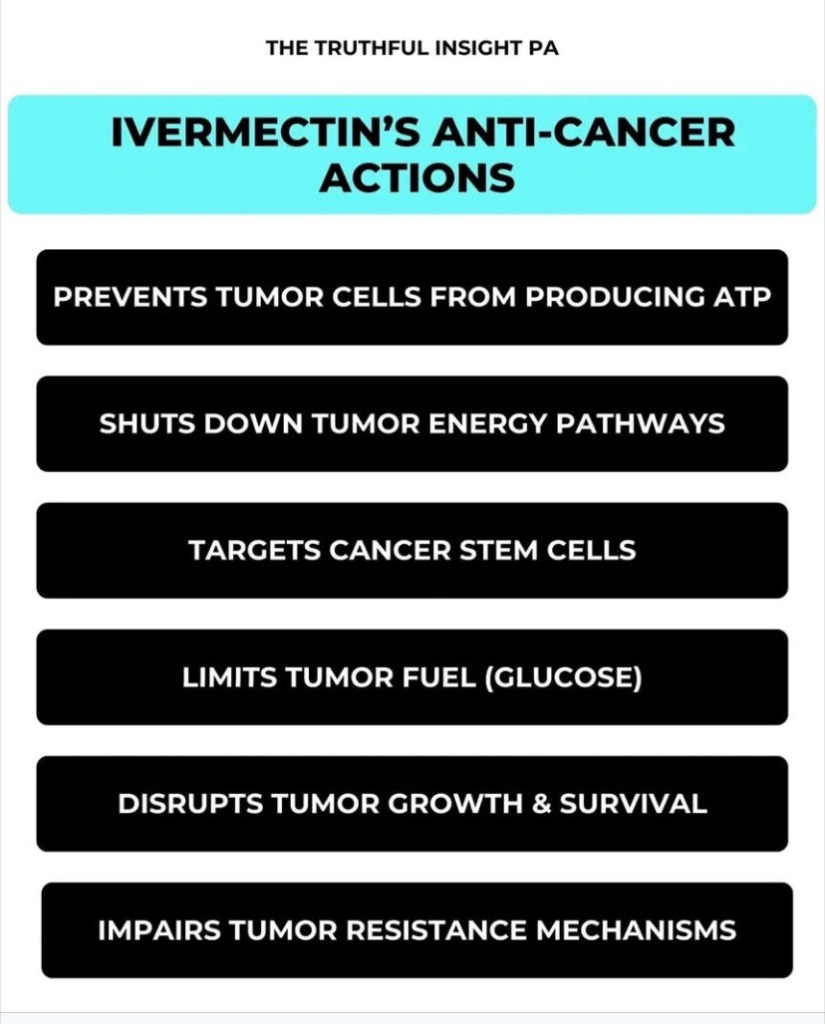
IVERMECTIN and FENBENDAZOLE Testimonial
Posted in Uncategorized on December 20, 2025| Leave a Comment »
NEW ARTICLE: IVERMECTIN and FENBENDAZOLE Testimonial – 55 year old USA man diagnosed with Stage 4 Prostate Cancer Gleason 9 and bone metastases. PSA dropped from 141 to 0.25 in 3 months!
“He’s 60 years old and in good health overall. He had a physical 5 months ago and all of his labs were fine”
Life can change very quickly.
“He started feeling achy and tired a few weeks ago and went to the doctor where they did blood work that revealed that his PSA was 141. In April, it was 3.4. They’ve done a CT scan and a bone scan which revealed widespread osteoblastic metastases.”
A patient of mine was diagnosed with sudden onset Stage 4 Prostate Cancer, Gleason 9 with PSA 141.
That is an emergency situation. We didn’t waste any time and started:
Ive&$ctin 24mg day
Fenb$$azole 222mg/day
Oncologist started hormone blockers Orgovyx and Nubeqa, then added Taxotere 6 weeks later.
RESULTS:
In about 3 months, his PSA dropped from 141 to 0.25, that’s a 99.8% drop.
Stage 4 Prostate Cancer, Gleason 9, metastatic to bones is something you want to get under control as quickly as possible.
Ivermectin and Fenbendazole allow you to do that.
Synergy with hormone blockers.
Synergy with chemo.
Although Oncologists are not allowed to help their cancer patients, adding Ivermectin and Fenbendazole dramatically enhances cancer cell killing – and that’s what you want in a case of extremely aggressive Gleason 9 Prostate cancer like this.
Next, we are going to get some imaging results on this case. But for now, this patient has the best outcome possible in the shortest time frame possible.
A 99.8% drop in cancer markers in 3 months.
I do this so often, it has become second nature. 😃


Posted in Uncategorized on December 14, 2025| Leave a Comment »
The Wonderful Sardine…
Posted in Uncategorized on December 6, 2025| Leave a Comment »
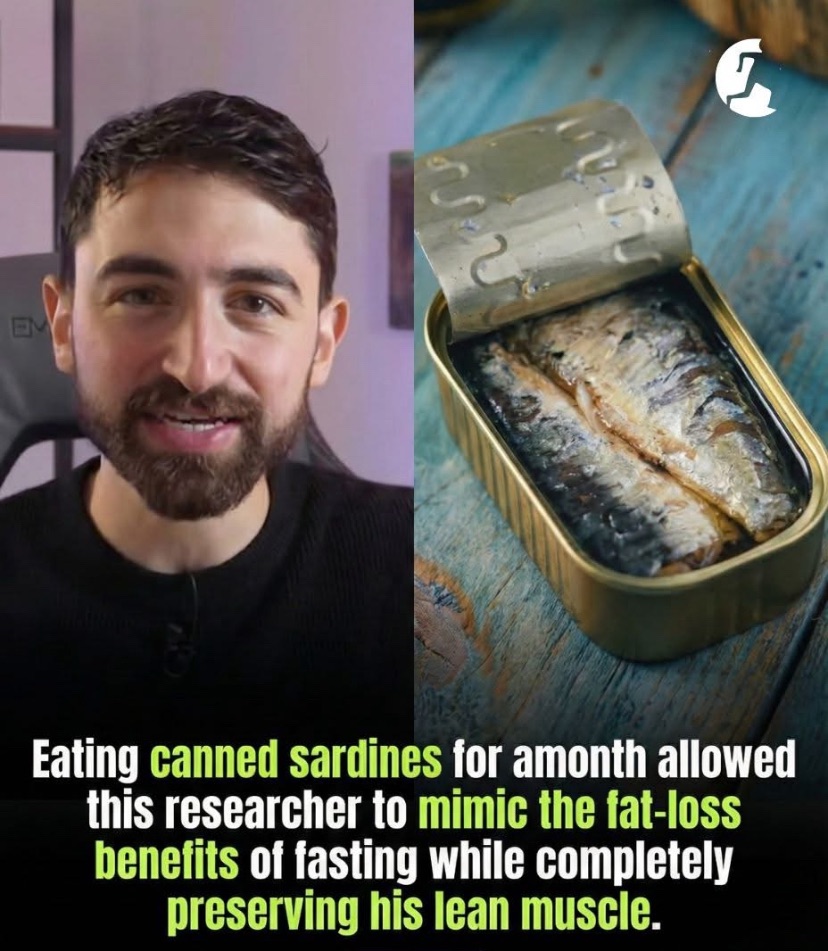
🐟 He ate 1,000 sardines in 30 days. And the results broke the metabolic scale.
This isn’t just a bizarre diet challenge. It was a serious n=1 experiment by Nick Norwitz, an Oxford and Harvard-trained metabolic health researcher.
His goal? To find a way to hack the body’s metabolism. He wanted to achieve the fat-loss and cellular health benefits of fasting…
…but without the muscle loss that often comes with extreme calorie restriction.
He put the humble sardine to the ultimate test. He consumed 1,000 small, canned fish over four weeks.
Sardines are a metabolic Swiss Army knife. They contain high-quality protein, creatine, CoQ10, and, most critically, massive amounts of bioavailable Omega-3s.
The results were astonishing. He lost 6 pounds of fat while protecting his existing lean muscle mass.
His performance markers went up, too. He reported a definite boost in physical endurance and cognitive function.
But the most incredible result was his Omega-3 Index. After 30 days, his levels were so high they went off the measurement chart.
The scientist joked his body was now “more like a dolphin” than a human.
So, how did he sustain the challenge? This is the key detail: he supplemented his diet with a daily dose of healthy fats, like high-quality olive oil.
This kept his energy levels stable and helped maintain the ketogenic state he was aiming for.
It wasn’t easy. The one major downside, as reported by his partner, was that he started to smell “like a fish market.”
The takeaway is powerful. You don’t need to eat a thousand fish, but this study proves the sardine is a deeply under-appreciated superfood.
They are one of the most cost-effective ways to flood your body with the nutrients that support fat loss, muscle preservation, and longevity pathways.
If you are looking for a simple, cheap way to upgrade your nutrition and metabolic health, a can of sardines is one of the best bangs for your buck.
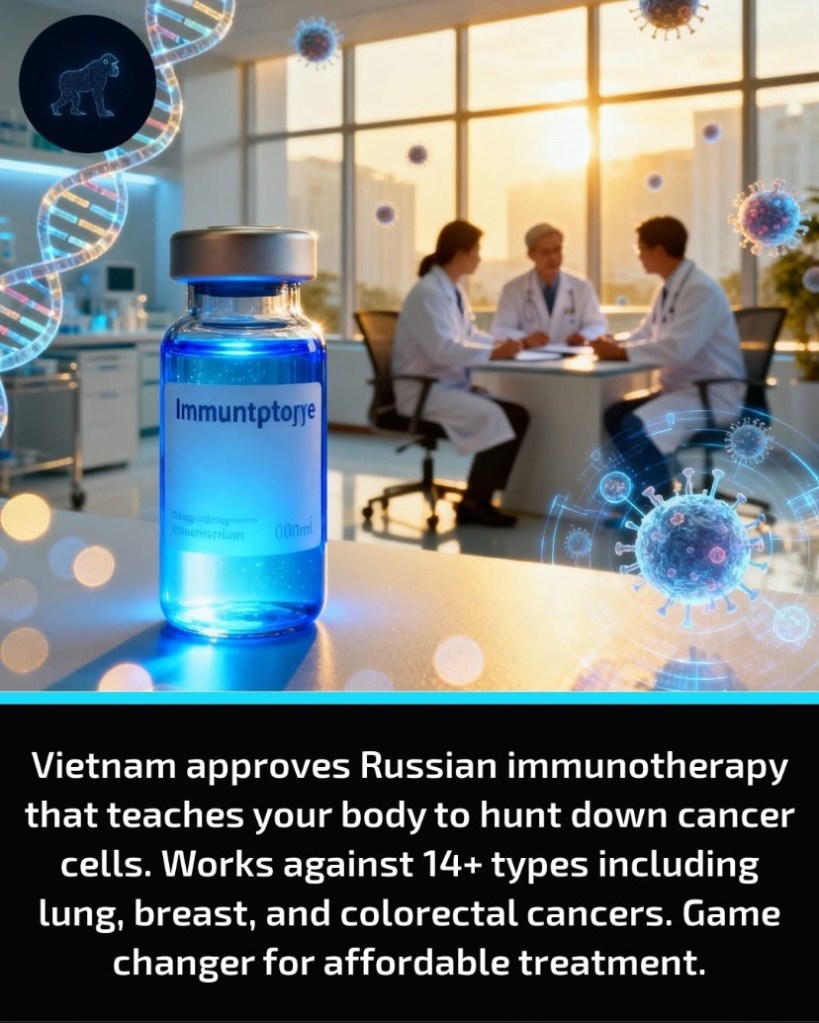
Russian immunotherapy cures cancer
Posted in Uncategorized on December 6, 2025| Leave a Comment »
A groundbreaking cancer treatment just became available in Vietnam, and it could change everything we know about fighting the disease. This isn’t chemotherapy or radiation. This is your own immune system, weaponized against cancer cells. The best part? It’s now accessible to millions who couldn’t afford it before.
Cancer breakthrough?
Posted in Uncategorized on December 5, 2025| Leave a Comment »
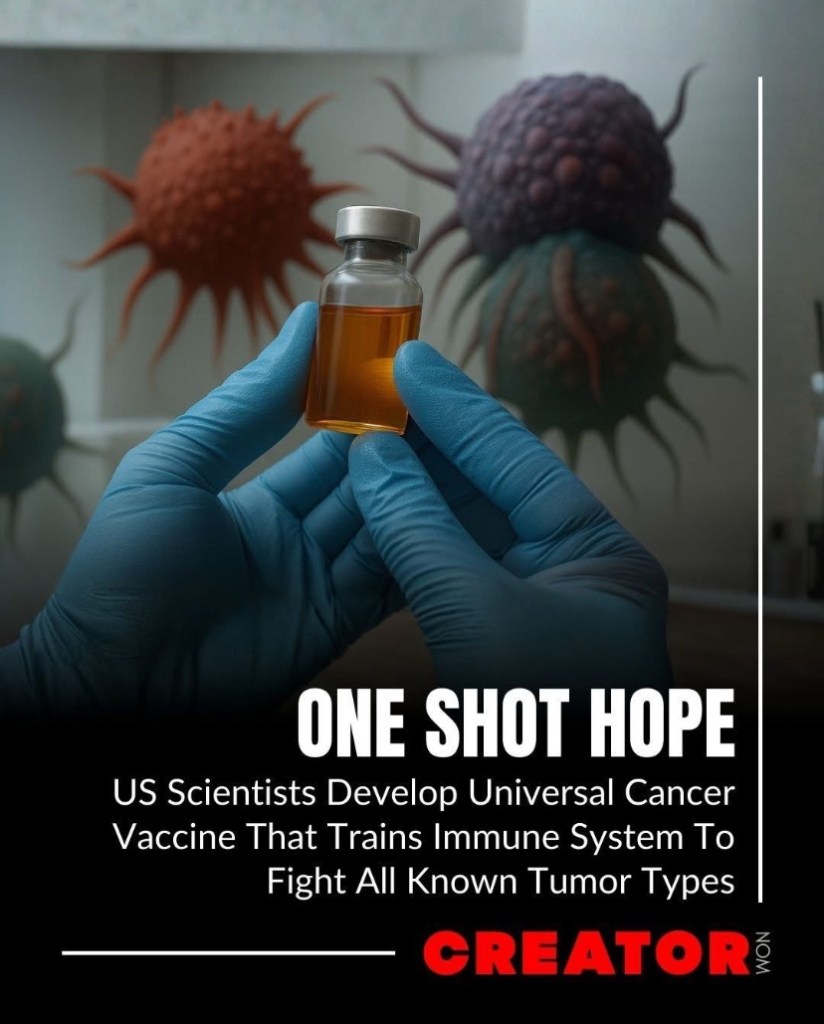
In one of the most promising breakthroughs in medical history US scientists have developed a universal cancer vaccine that trains the immune system to detect and destroy all known forms of cancer. This powerful immunotherapy could soon become a life saving option for millions worldwide.
Unlike traditional vaccines that target specific viruses this cancer vaccine works by teaching the body’s own immune cells to recognize cancer markers common across multiple tumor types. Once trained the immune system launches a targeted attack against cancer cells anywhere in the body while sparing healthy tissue.
Early trials show the vaccine triggers a strong and lasting immune response activating T cells to hunt and eliminate cancerous cells effectively. The treatment has shown potential against lung breast pancreatic and even brain cancers raising hopes for a truly all in one cure.
The vaccine is also designed to prevent recurrence by creating long term immune memory a key factor in keeping cancer from returning. Scientists believe it could be used not only for treatment but also for high risk prevention making it a game changer in oncology.
With further testing already underway this vaccine represents the future of cancer care one that is personalized precise and potentially universal. The war on cancer may finally be turning in humanity’s favor.
It was a Con Job…
Posted in Uncategorized on December 5, 2025| Leave a Comment »
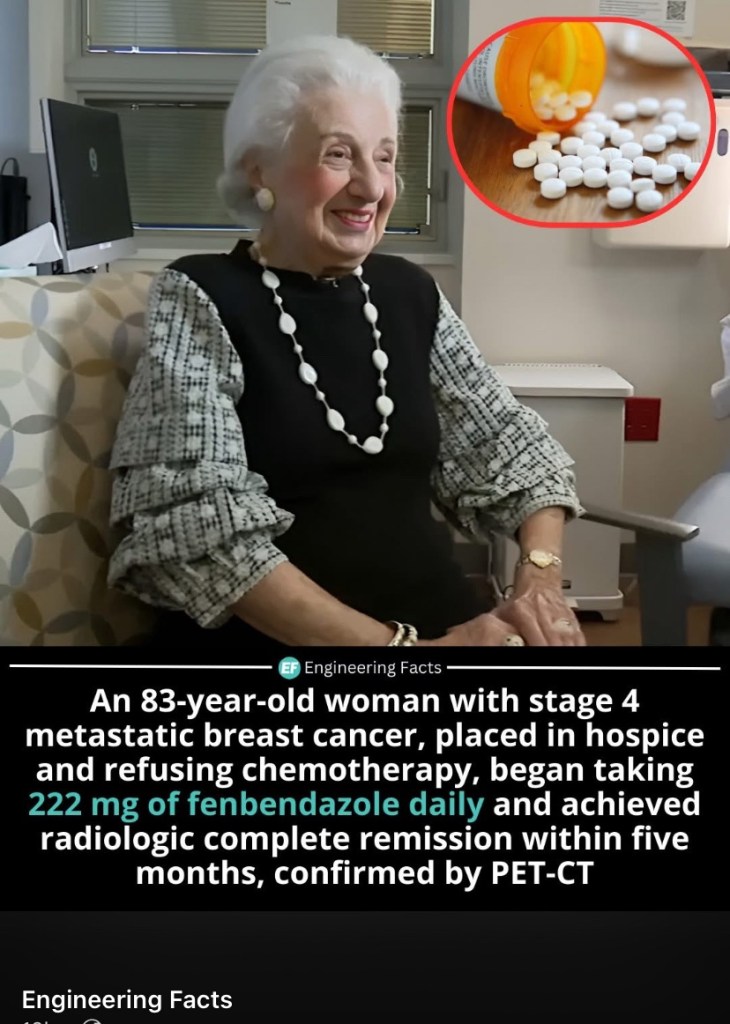
Fenbendazole – Cancer Cure
Posted in Uncategorized on December 5, 2025| Leave a Comment »
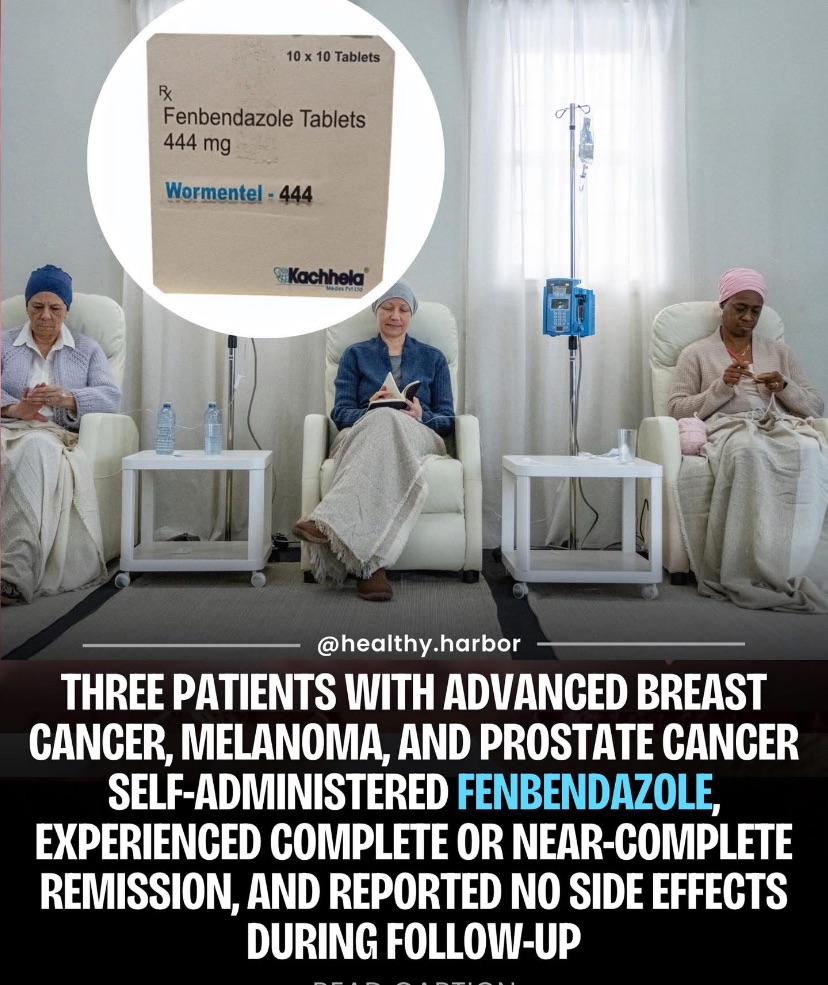
A 2024 case report published in Exploratory Research and Hypothesis in Medicine by a clinical team at Kyungpook National University Hospital (Daegu, South Korea) documented three individual patients—one with stage IV metastatic breast cancer, one with recurrent malignant melanoma, and one with castration-resistant prostate cancer—who independently self-administered veterinary-grade fenbendazole after their cancers continued to progress despite surgery, chemotherapy, immunotherapy, and hormonal therapy.
According to the authors, each patient went on to achieve complete or near-complete remission verified by imaging, and all remained disease-free during follow-up periods ranging from 11 months to 34 months, with no fenbendazole-related side effects reported.
Pages
- Follow Randolph's World on WordPress.com
My Facebook
Facebook: Randolph Training
Twitter
Tweets by honeykauArchives
- February 2026
- January 2026
- December 2025
- September 2025
- August 2025
- July 2025
- June 2025
- May 2025
- April 2025
- March 2025
- February 2025
- April 2024
- June 2023
- December 2022
- July 2022
- June 2022
- February 2022
- January 2022
- November 2021
- October 2021
- September 2021
- August 2021
- January 2021
- September 2020
- August 2020
- May 2020
- August 2019
- June 2019
- May 2018
- April 2018
- March 2018
- November 2017
- October 2017
- June 2017
- February 2017
- January 2017
- November 2016
- August 2016
- July 2016
- May 2016
- March 2016
- January 2016
- October 2015
- September 2015
- August 2015
- July 2015
- June 2015
- May 2015
- April 2015
- March 2015
- February 2015
- January 2015
- December 2014
- November 2014
- October 2014
- September 2014
- August 2014
- July 2014
- June 2014
- May 2014
- April 2014
- March 2014
- February 2014
- January 2014
- December 2013
- November 2013
- October 2013
- September 2013
- August 2013
- July 2013
- June 2013
- May 2013
- April 2013
- March 2013
- February 2013
- January 2013
- December 2012
- November 2012
- October 2012
- September 2012
- August 2012
- July 2012
- June 2012
- May 2012
- April 2012
- March 2012
- February 2012
- January 2012
- December 2011
- November 2011
- October 2011
- September 2011
- August 2011
- July 2011
- June 2011
- May 2011
- April 2011
- March 2011
- January 2011
- December 2010
- November 2010
- September 2010
- August 2010
- July 2010
- June 2010
- May 2010
- April 2010
- March 2010
- February 2010
- January 2010
- December 2009
- October 2009
- September 2009
- July 2009
- June 2009
- May 2009
- March 2009
- February 2009
- January 2009
- December 2008
- November 2008
- October 2008
- September 2008
- July 2008
- June 2008
- May 2008
Categories


 Randolph's World