Scientists at the University of New Mexico have developed a groundbreaking vaccine that targets the tau protein—a toxic buildup inside neurons widely believed to cause memory loss and cognitive decline in Alzheimer’s patients. Unlike current treatments that only slow symptoms, this vaccine activates the immune system to find and destroy tau tangles before they can do damage.
In preclinical trials, genetically engineered mice showed a dramatic reduction in tau deposits and preserved brain function longer than expected. With human trials on the horizon, researchers hope this could shift the fight against Alzheimer’s from reactive to preventive — a future where memory loss might be stopped before it starts.
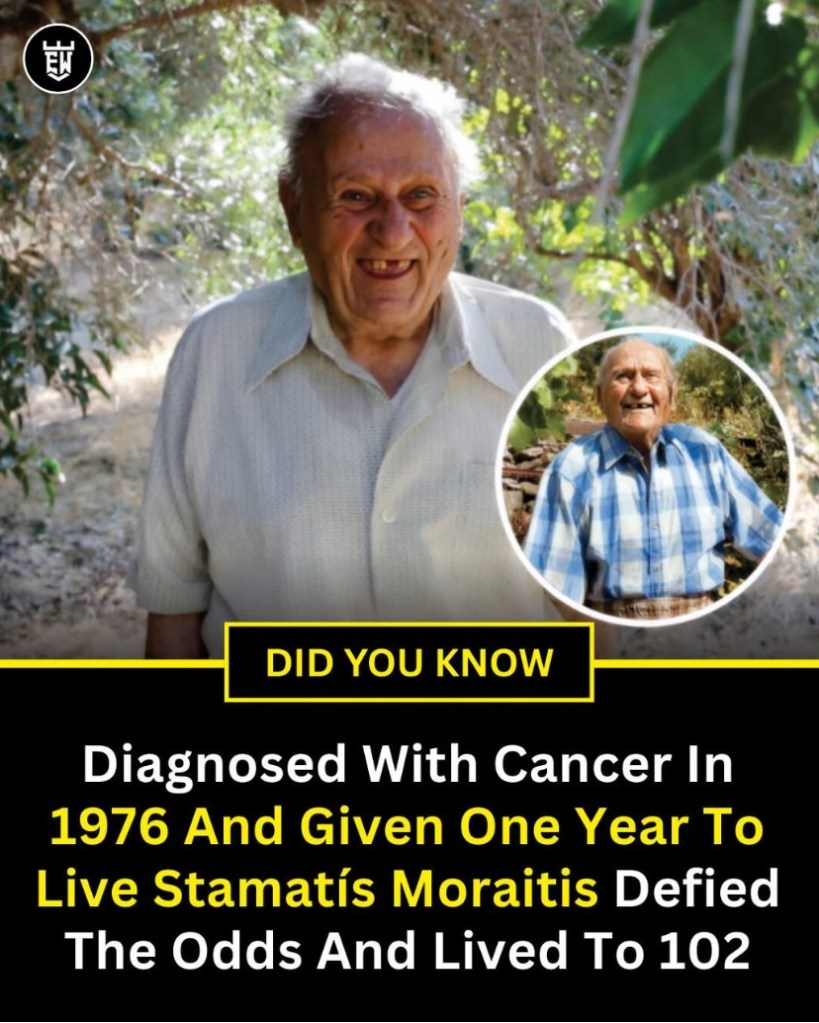
In 1976, doctors told Stamatís Moraitis that his time was running out. At just 60 years old, he was diagnosed with terminal cancer and given less than a year to live. Instead of staying in the United States for aggressive treatment, he made a bold choice—he returned to his native island of Ikaria in Greece to spend his final days surrounded by family and familiar soil.
But those “final days” stretched into years, and then into decades. Moraitis not only survived—he thrived. He lived to the remarkable age of 102, leaving scientists and doctors baffled. His secret? A lifestyle rooted in simplicity, community, and natural living.
On Ikaria, often called the “island where people forget to die,” Moraitis embraced a slower pace of life. He worked in his garden, drank local wine, ate fresh vegetables and herbs, and surrounded himself with friends and laughter. Daily naps, light physical activity, and a stress-free mindset became his medicine. Remarkably, without conventional cancer treatments, his illness seemed to vanish on its own.
His story has become a powerful example of how environment, diet, and emotional well-being can influence longevity. Researchers studying “Blue Zones”—regions where people live significantly longer—point to Ikaria’s sense of community, healthy Mediterranean diet, and low-stress lifestyle as keys to extraordinary lifespans.
Was Moraitis’s survival pure chance, or proof that how we live matters as much as medical intervention? While science may never fully explain his recovery, his life serves as a reminder: sometimes healing is found not in hospitals, but in the simple rhythms of living well.
🚨 CT Scans Linked to Over 100,000 Cancer Cases a Year — Study Warns
A new study published in JAMA Internal Medicine reveals that CT scans performed in 2023 may lead to over 103,000 future cancer cases in the U.S. — around 5% of all annual cancer diagnoses.
⚠️ Why it matters:
93 million scans were done last year
Highest risk linked to abdominal & pelvic scans
Children and older adults face greater vulnerability
While CT scans can be lifesaving, researchers are calling for more cautious use and better-informed decisions by both doctors and patients. Sometimes, alternative imaging may offer safer options.
🔍 Is it time to rethink how we use medical imaging?
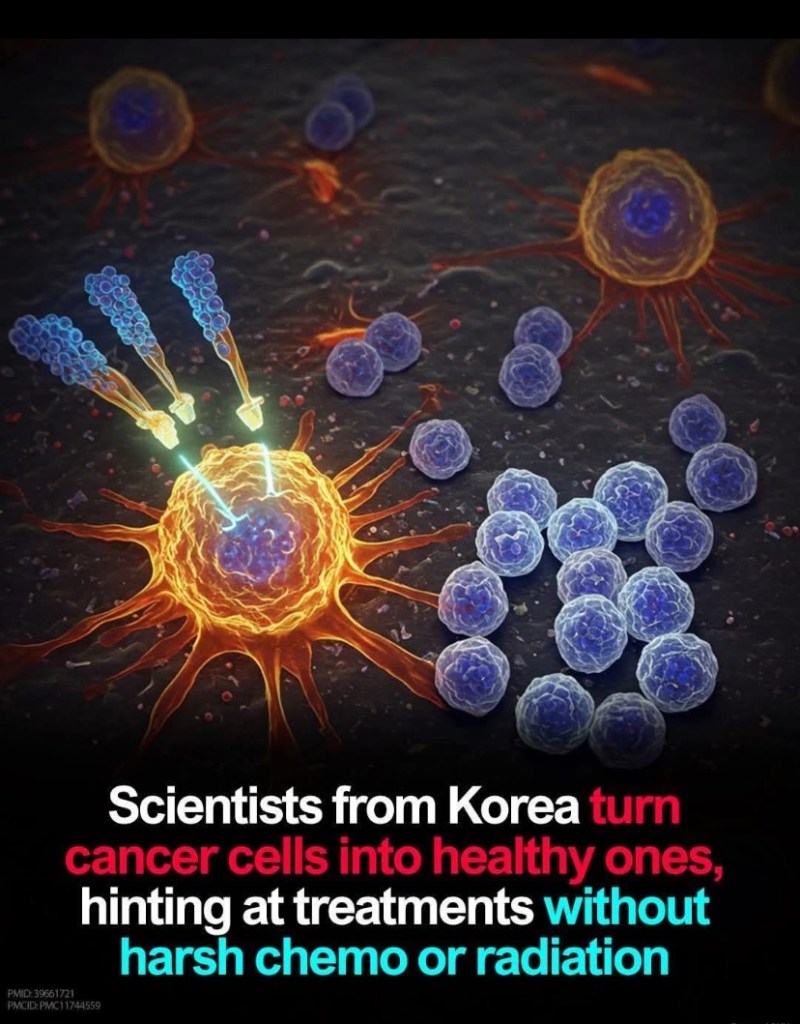
In a medical breakthrough, scientists in South Korea have figured out how to actually reprogram cancer cells back into healthy, normal tissue—without relying on chemotherapy, radiation, or invasive surgeries. This new approach could completely change how we treat cancer, shifting the goal from destroying tumors to gently persuading them to act like healthy cells again. Using an advanced AI tool they developed called BENEIN, researchers at KAIST mapped out the complex gene networks inside cancer cells to identify the “master switches” that make them behave so dangerously. They zeroed in on three key genes—MYB, HDAC2, and FOXA2. By simultaneously silencing these genes in colorectal cancer cells, they didn’t just slow the cancer down; they triggered a transformation. The cancer cells started showing markers of healthy intestinal cells, effectively switching sides.
When they tested this approach in mice, tumors from these reprogrammed cells were 70% smaller and looked a lot more like normal tissue under the microscope. This method not only promises fewer side effects—like the nausea, exhaustion, and organ damage that come with chemo and radiation—but could also slash healthcare costs and give patients a gentler option. The idea is a philosophical shift too, treating cancer less like a vicious enemy to destroy and more like confused cells that can be guided back to health. While challenges remain, such as finding safe delivery methods and proving long-term stability, this groundbreaking research hints at a future where cancer treatment could mean renewal instead of ruin.
Research Paper 📄 Control of Cellular Differentiation Trajectories for Cancer Reversion. Adv. Sci. 2025, 12, 2402132. DOI : 10.1002/advs.202402132 PMID: 39661721 PMCID: PMC11744559
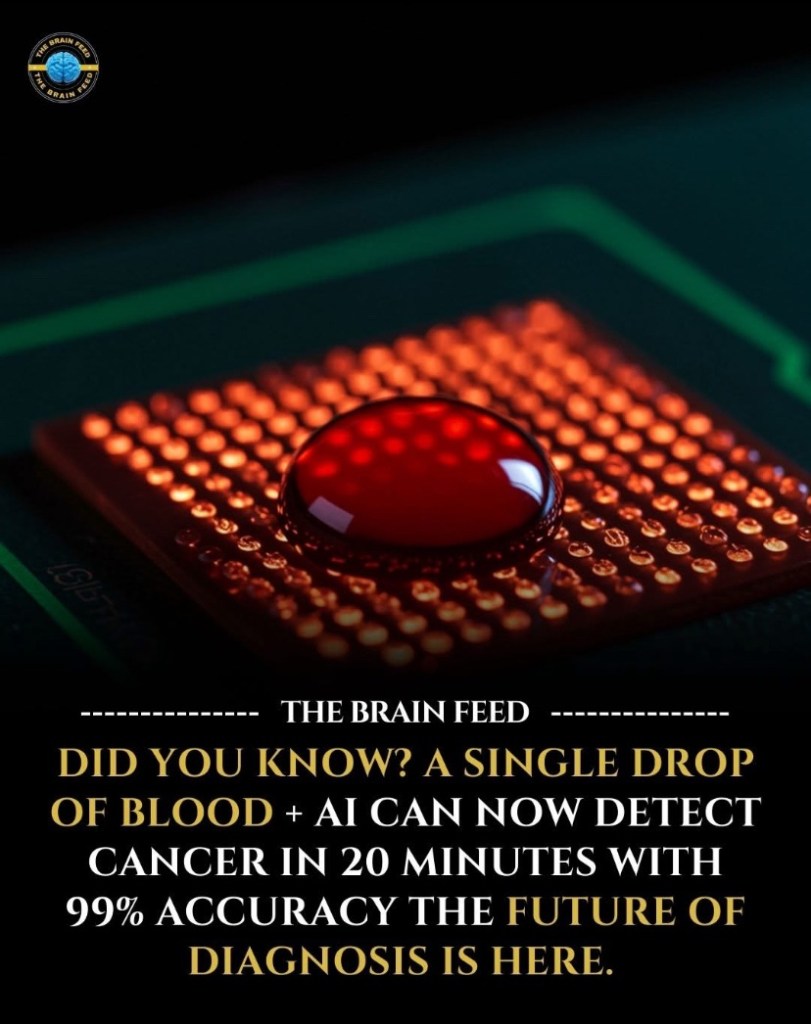
Scientists in Korea have created an AI-powered biosensor that can spot cancer from just one drop of blood and do it in only 20 minutes. The device detects DNA methylation, chemical marks tied to tumor growth, by using gold nanoparticles to massively amplify signals. AI then analyzes the light patterns to identify cancer with 99% accuracy, even distinguishing early-stage tumors from advanced ones. Tested on colorectal cancer patients, the sensor proved highly precise while requiring far less blood than traditional tests. Researchers say it could eventually screen for other diseases, like autoimmune disorders or Alzheimer’s, making this a potential game-changer for fast, non-invasive diagnosis at clinics or even at home.
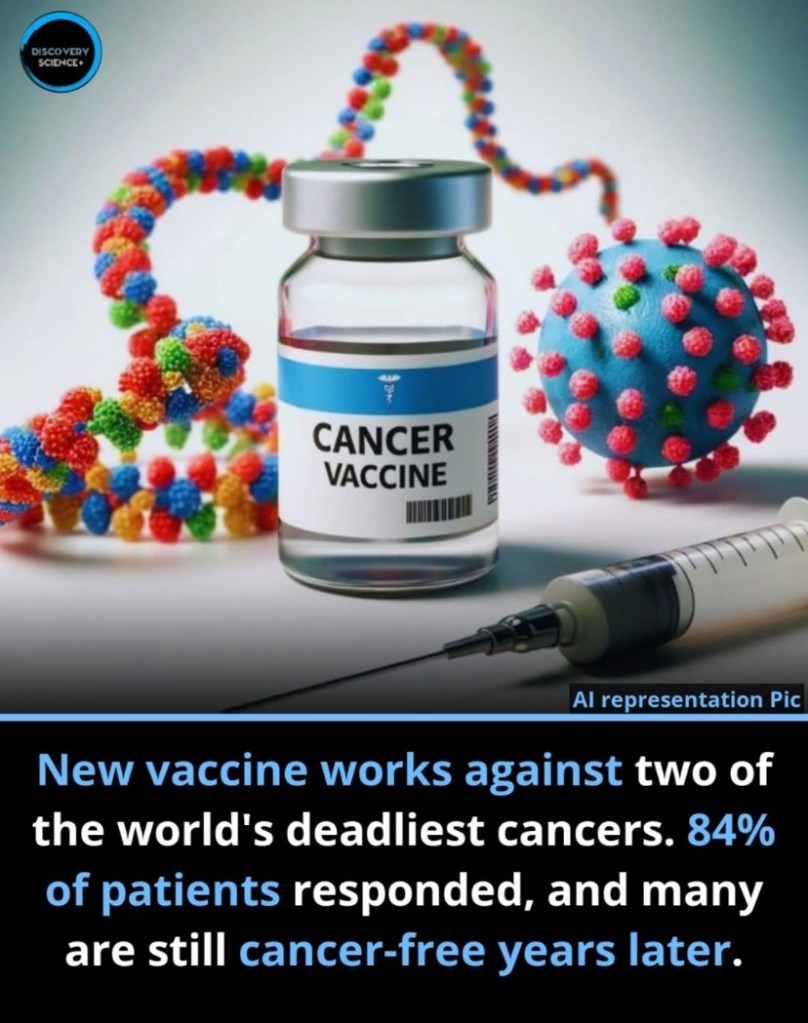
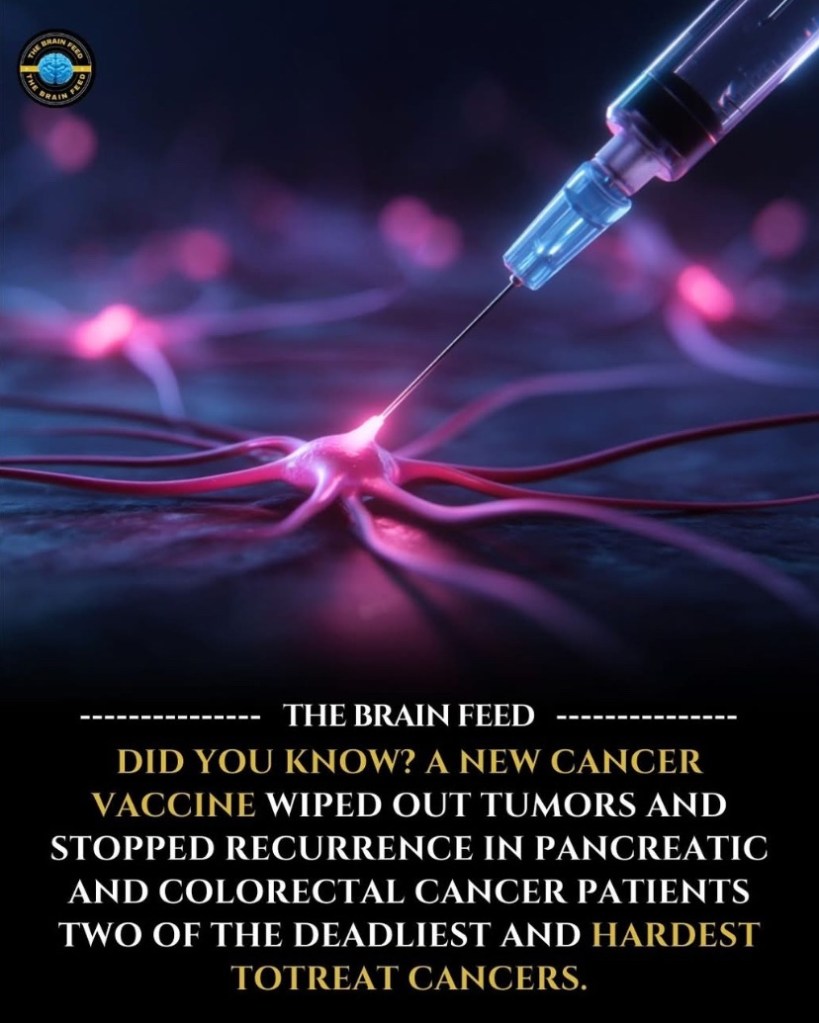
A groundbreaking cancer vaccine called ELI-002 2P has shown extraordinary promise against pancreatic and colorectal cancers, two of the deadliest forms of cancer. Unlike personalized vaccines, ELI-002 2P is an “off-the-shelf” therapy targeting KRAS mutations, which drive 93% of pancreatic and 50% of colorectal cases. In a trial of 25 patients recovering from surgery, 84% developed KRAS-specific T cells, with nearly one-quarter experiencing complete tumor clearance. Among the strongest responders, most remained cancer-free nearly 20 months later, far exceeding typical survival outcomes. By targeting lymph nodes directly, the vaccine primes the immune system to prevent recurrence offering a potentially accessible, cost-effective, and powerful new tool in cancer care. Larger trials are now underway to confirm its impact.
Scientists at KAIST (Korea Advanced Institute of Science and Technology) have discovered how to reprogram cancer cells back into healthy cells — without destroying them!
This new method could revolutionize cancer treatment forever.
How It Works: • They used AI models to create a digital twin of healthy cells • Identified “molecular switches” like MYB, HDAC2, FOXA2 • Flipped these switches to turn cancer cells back to normal
Tested successfully in both lab & animal models
Why It’s a Game-Changer:
✅ No chemo or radiation ✅ No damage to healthy cells ✅ Less resistance, less recurrence ✅ Future of side-effect–free cancer treatment
This is more than just science — it’s hope for millions