For 10 long years, well-known Japanese doctor and medical pioneer Toshiki Fukutsudzi fought to develop a method to prevents bad posture. She became famous in her homeland, gaining widespread attention after publishing her book on how to overcome bad posture, combat back problems and strengthen one’s abdominal muscles. Her best-selling book has sold over six million copies throughout Asia.
Dr. Fukutsudzi specializes in treating patients with problems in their pelvic bone and her method is also said to reduce fat around the waist.
I always take these kinds of “treatments” with a grain of salt, careful not to take them too seriously. This method however has gained such popularity that I cannot help but feel tempted to at the least try it out.
Obviously, for serious or extended back issues, I would say, see your doctor. But otherwise, why not give this a shot? After all, it’s extremely easy and only takes 5 minutes.
Here’s how it works:
Roll an ordinary towel to form a thick and stable “sausage”. Wrap it with some tape or string so that it stays put. Lay down on your back on a flat and hard surface – beds and couches are too soft. Place the towel at the height of your navel, where your spine begins to curve.
Once you’re in the correct position, place your feet shoulder-width apart, with your toes pointing inward toward each other. Stretch your arms above your head, palms down, with your pinkies touching. Lay still in this position for 5 minutes. The exercise may feel a bit painful at first, but try to hold for 5 minutes — it does get easier every time you do it.
For best results, repeat the exercise 3 times a day for a few weeks.
The method may strike you as too simple to actually produce results, but as I said, I think you have nothing to lose, so feel free to experiment. I know in any case that I will! Please share the method with your friends if you know someone who suffers from back problems.
Unfortunately, it is common for older adults to feel pain in the knees, legs, back, and ankles.
Especially, this is common for people who spend most of the day sitting, or have an inactive lifestyle.
Many different conditions can lead to painful joints including rheumatoid arthritis, osteoarthritis, gout, bursitis, sprains, strains, etc.
In most of the cases of back pain, it will heal with time – around 50 percent of patients will feel relief from pain within two weeks, and around 90 percent within 90 days, regardless of the treatment.
However, people who suffer from chronic back pain may find it difficult to lead their everyday life, finding it hard to stand, sit, or even lie down.
The pain in legs often results from wear and tear, constant standing, injuries in the joints and bones, or in ligaments, muscles, tendons, etc. Also, poor circulation can lead to leg pain
Pain relief smoothie
Ingredients
– One orange
– Two cups of pineapple
– One lemon
– Two celery stalks
– One inch fresh ginger root (or 1 tablespoon ginger powder)
– Two inches of fresh turmeric root (or 2 tablespoons turmeric powder)
– A quarter teaspoon black pepper
– One teaspoon of coconut oil
Instructions
Peel the orange and lemon as well as ginger and turmeric (if you use them fresh). Chop and core the pineapple. Put all of the ingredients in a blender, and blend at high speed.
Serve and drink it immediately.
Using a blender will ensure that dietary fiber stay within the juice. If you use a juicing machine, the dietary fiber will be filtered out as waste.
Studies have found that people who eat a diet rich in vitamin C and dietary fiber have lower amounts of C-reactive protein levels in their bodies. C-reactive proteins are inflammation markers that have been linked to disease like rheumatoid arthritis, diabetes, and heart disease.
What each ingredient does
Orange. Muscle cramps are also a common cause of leg pain, which often occur by overuse of muscles or low calcium or potassium levels. Research shows that getting the right amount of vitamin C aids in preventing inflammatory arthritis and maintaining healthy joints.
Pineapple. The active component found in pineapple known as bromelain is effective in relieving joint pain and reducing inflammation associated with arthritis. There are some evidence that this enzyme have anti-inflammatory and pain-relieving effects compared to non-steroidal anti-inflammatory drugs (NSAID).
Lemon. Lemon also contains vitamin C as well as vitamin E, which are powerful antioxidants. These vitamins protect the cells from free-radical damage and helps to build and maintain collagen and connective tissues.
Celery. Celery is rich in vitamin K. Low levels of this vitamin can result in abnormal cartilage and bone mineralization.
Ginger. The active compound in ginger known as gingerol has the ability to fight prostaglandins, inflammatory compounds that trigger pain.
Turmeric. A 2009 study published the Journal of Alternative Complementary Medicine showed that the active ingredient in turmeric, curcumin relieved pain and improved function in knee osteoarthritis equally to ibuprofen. Additionally, in a 2006 study turmeric extract was found to inhibit joint inflammation and periarticular joint destruction.
This cure was made by the Bulgarian scientist, Professor Dr. Hristo Mermerski, and many consider it to be a revolutionary remedy that has cured thousands of cancer-sufferers. The remedy contains all the essential vitamins, mineral salts, proteins, bioactive substances, carbohydrates and vegetable fats. “It’s a food that treats the entire body, and the cancer in such an organism simply disappears”, Prof. Mermerski has said in his lectures.
This incredible, homemade remedy cleanses the blood vessels, cures the heart, boosts the immune system, cleanses the liver and kidneys. It also improves memory, protects your heart from suffering a heart attack and it’s the best natural remedy against all types of cancer.
The Recipe
Ingredients:
15 fresh lemons
12 fresh garlic cloves
35 oz. natural honey
14 oz. sprouted grains ( green wheat)
14 oz. fresh walnuts
How to make sprouted grains:
Put the green wheat in a big, glass bowl. Pour water to cover them and leave them overnight. After 12 hours, drain the grains, rinse them and again drain (strain through gauze). Put the drained wheat in a bowl and let it stay for 24 hours. After 24 hours, you’ll get sprouted grains.
Instructions:
Grind the walnuts, sprouted wheat and the previously cleaned, garlic cloves. Grind 5 lemons with their crust and then add them to the sprouted wheat mixture. Squeeze the other 10 lemons and add the lemon juice to the mixture. Mix the ingredients until you get a homogeneous mixture.
Add the honey and stir with a wooden spoon. Put the mixture in glass jars and place them in the fridge. Let it stay in the fridge for 3 days before using it.
How to Consume the Remedy
Take 1-2 tbsp. 30 minutes before breakfast, dinner and before going to bed. If you use the remedy to treat cancer, take 1-2 tbsp. every 2 hours.
Dr. Mermerski says that this remedy helps you have a long, healthy life, cures cancer and keeps your body youthful and energetic.
“This remedy contains all essential vitamins, mineral salts, bioactive substances, proteins, carbohydrates and fats. It improves the work of your organs and glands and keeps your body healthy. No cancer can survive in a healthy body,” explains Dr. Mermenski.
The statin drugs prescribed to over 100 million people around the world have now been exposed as cellular poisons that accelerate aging and promote muscle fatigue, diabetes, memory loss and more.
Scientists at Tulane University in New Orleans found that statin drugs — which generate tens of billions of dollars a year for pharmaceutical companies — “deactivate” the stem cells responsible for cellular repair throughout the body. While statin drugs have been aggressively pushed by for-profit drug companies as “miracle” medicines, in truth they can lead to disastrous (even fatal) side effects in many patients.
As the UK Express writes, such side effects include “memory loss, muscle pain, diabetes, cataracts, liver dysfunction, diabetes, fatigue and memory loss.”
“Statins make regular users become older faster,” reports the Express, “leaving them open to long-term mental and physical decline…” The Express adds:
Scientists have found the heart disease drug badly affects our stem cells, the internal medical system which repairs damage to our bodies and protects us from muscle and joint pain as well as memory loss. … Professor Reza Izadpanah, a stem cell biologist and lead author of the research published in the American Journal of Physiology, said: “Our study shows statins may speed up the aging process.”
Statin drug side effects documented to include memory loss, muscle fatigue, cataracts and diabetes
The study, published in the American Journal of Physiology – Cell Physiology is entitled “The Impact of Statins on Biological Characteristics of Stem Cells Provides a Novel Explanation for Their Pleotropic Beneficial and Adverse Clinical Effects.”
The study abstract states that statin drug “side effects include memory loss, myopathy, cataract formation, and increased risk of diabetes.” It also warns that “Statins also impaired the expression of DNA repair genes including XRCC4, XRCC6, and Apex1.”
Doctors and drug companies have conspired for years to downplay the side effects of statin drugs, promoting the medications as “miracle” drugs that everyone should be taking. Some doctors even suggested statins should be dripped into the water supply like fluoride.
When patients experienced the devastating side effects of statin drugs — memory loss, diabetes, muscle fatigue, etc. — doctors simply put them on yet more medications for those symptoms. Statin drugs, in effect, became “gateway drugs” that led to expanding medication prescriptions for yet more high-profit drugs.
Heart industry doctors bribed to lower the limits of “high” cholesterol to push more statin drugs
To expand the scam, the medical system conspired to redefine “high cholesterol” to lower numbers, instantly thrusting tens of millions of people into a state that demanded “treatment” with high-profit medications. These decision panels of the American Heart Association and American College of Cardiology were stacked with panelists who were bribed by pharmaceutical companies to redefine high cholesterol in a way that generated the most profits. As Natural News wrote in 2013:
Doctors claim the new guidelines will limit how many people with low heart risks are put on statins simply because of a cholesterol number. However, under the new advice, one-third of U.S. adults would meet the threshold to consider taking a statin, more than twice the 15 percent of adults who are recommended statins under current guidelines.
The justification for the panel having half its members with ties to Big Pharma: Ties between heart doctors and Big Pharma are so extensive that it is almost impossible to find a large group of doctors who have no industry ties.
For many years, Natural News has taught readers that statin drugs can cause nerve damage and other devastating health effects. But the medical establishment, as usual, ignored these side effects and kept pushing more statins for profit, pretending no one was being harmed.
Just like with the vaccine industry, the statin drug industry is far more concerned with pocketing huge profits than protecting lives. Now, thanks to researchers at Tulane University, the science of what causes statin drugs to be so dangerous to human health is better understood.
If you think the jury’s still out on whether cell phones can be dangerous to your health, then you might want to take the time to listen to this video from the Environmental Health Trust. Dr. Devra Davis, author of “Disconnect–The Truth About Cellphone Radiation,” has been researching the safety hazards of radiation emanating from your cell phone.
Like many people, Dr. Davis just didn’t believe the possibility of cell phones being dangerous―until she studied it. And now, with the toxicological and epidemiological evidence to back up her claims, she’s trying to get the word out that cell phone radiation is not only dangerous, but can be downright lethal.
In her lecture, Dr. Davis explains how the biological impact of your cell phone is not related to its power, which is quite weak, but rather to the erratic nature of its signal and its ability to disrupt resonance and interfere with DNA repair. This is now believed to be the most plausible theory for understanding the wide array of health impacts discovered, which includes cancer…
Can Your Cell Phone Cause Cancer?
One interesting case that can serve as an illustrative warning of the cancer-causing potential of cell phones is that of a young woman with no other predisposing risk factors for cancer who came down with multi-focal breast cancer. The case was revealed in the May issue of the Environmental Health Trust’s newsletter. As it turns out, the young lady had the curious habit of tucking her cell phone into her bra… Two cancer specialists, Robert Nagourney and John West, concluded there was only one other possibility that might have directly contributed to her breast cancer. “We connected the dots,” the patient said. And the dots―quite literally the pattern of the cancer, and distribution of the cancerous cells―lined up perfectly with the shape of her cell phone.
While her doctor can’t prove the cell phone caused her cancer, it should serve as a potent warning not only to other women who might tuck their phones in their bras, but also to those of you who keep your phones in your pants pocket or shirt pocket as well. As a general rule, you’ll want to avoid carrying your phone anywhere on your body. Keep in mind that the most dangerous place to be, in terms of radiation exposure, is within about six inches of the emitting antenna. You do not want any part of your body within that proximity.
Why Carrying Your Cell Phone On Your Body Is A Bad Idea…
Regardless of the area exposed to the continuous radiation emitted by your cell phone, there’s the potential for harm, although certain areas are clearly more vulnerable than others.
For example, research published in 2009 showed evidence that wearing a cell phone on your hip may weaken an area of your pelvis. Using an X-ray technique used in the diagnosis and monitoring of patients with osteoporosis, researchers measured pelvic bone density in 150 men who regularly carried their cell phones attached to their belts. The men carried their phones for an average of 15 hours each day, and had used cell phones for an average of six years. The researchers found that bone mineral density was lowered on the side of the pelvis where the mobile phones were carried, raising the possibility that bone density could be adversely affected by the electromagnetic fields emitted by cell phones.
It’s important to realize that as long as your cell phone is on, it emits radiation intermittently, even when you are not actually making a call. So wearing a cell phone on your hip for 15 hours a day is giving that area of your body nearly continuous radiation exposure.
Previous studies have found that cell phone radiation can affect men’s sperm count, and the quality and motility of their sperm, and this may be a far greater issue than its effect on bone density. One such study, published in PLoS One found that:
“RF-EMR in both the power density and frequency range of mobile phones enhances mitochondrial reactive oxygen species generation by human spermatozoa, decreasing the motility and vitality of these cells while stimulating DNA base adduct formation and, ultimately DNA fragmentation. These findings have clear implications for the safety of extensive mobile phone use by males of reproductive age, potentially affecting both their fertility and the health and wellbeing of their offspring.”
Men in particular may want to reconsider carrying their cell phones on their belts or in their pocket, in close proximity of their reproductive organs. In addition, you have a number of other sensitive organs in that general area, including liver, kidneys, colon and bladder—all of which are susceptible to radiation.
Recent Evidence Identifies Strong Cell Phone Cancer Link
Last year, an Israeli research group reported a sharp increase in the incidence of parotid gland tumors over the last 30 years, with the steepest increase happening after 2001. Your parotid gland is a type of salivary gland, located closest to your cheek—the same area where most people typically hold their cell phones. The researchers found a four-fold increase in parotid gland cancers from 1970 to 2006, while rates of other salivary gland cancers remained stable.
That same year, Dr. Siegal Sadetzki, the principal investigator of a 2008 study, testified at a U.S. Senate Hearing that cell phones were identified as a contributor to salivary gland tumors. The report states that your risk of getting a parotid tumor on the same side of your head that you use for listening to the mobile phone increases by:
34 percent if you are a regular cell phone user and have used a mobile phone for 5 years.
58 percent if you had more than about 5,500 calls in your lifetime.
49 percent if you have spoken on the phone for more than 266.3 hours during your lifetime.
World Health Organizaion Classifies Cell Phone Radiation As Class B Carcinogen
Cell phone subscriptions are now estimated at 5.9 billion globally — that’s 87 percent of the world population! I think it’s safe to say, we’ve already passed the point of no return when it comes to this technology. But as cell phone use continues to grow unabated, a growing body of researchers is speaking out against the technology, warning that it may have serious biological side effects that must be acknowledged and remedied.
Fortunately, their warnings are slowly but surely beginning to be heard.
On May 31, 2011, the World Health Organization (WHO)/International Agency for Research on Cancer (IARC) issued a report admitting cell phones might indeed cause cancer, classifying radio frequency electromagnetic fields as “possibly carcinogenic to humans” (Class 2B). The classification came in part in response to research showing wireless telephones increase the risk for brain cancer.
According to the press release:
Dr Jonathan Samet (University of Southern California, USA), overall Chairman of the Working Group, indicated that “the evidence, while still accumulating, is strong enough to support a conclusion and the 2B classification. The conclusion means that there could be some risk, and therefore we need to keep a close watch for a link between cell phones and cancer risk.”
“Given the potential consequences for public health of this classification and findings,” said IARC Director Christopher Wild, “it is important that additional research be conducted into the long‐term, heavy use of mobile phones. Pending the availability of such information, it is important to take pragmatic measures to reduce exposure such as hands‐free devices or texting.”
Children Are At Greatest Risk—Including While In Utero
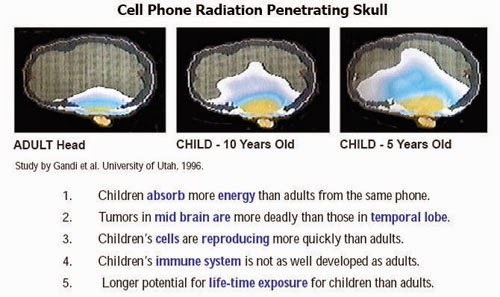
Sadly, children and teens are at greatest risk—both for parotid gland tumors and brain tumors—as their thinner skull bones allow for greater penetration of cell phone radiation. The radiation can enter all the way into their midbrain, where tumors are more deadly. In addition, children’s cells reproduce more quickly, so they’re more susceptible to aggressive cell growth. Children also face a far greater lifetime exposure. According to Professor Lennart Hardell of Sweden, those who begin using cell phones heavily as teenagers have 4 to 5 times more brain cancer as young adults!
The following image, used with permission from the book Public Health SOS: The Shadow Side of the Wireless Revolution, clearly shows the differences in depth of penetration between adults and young children.
Pregnant women would also be wise to avoid cell phones as much as possible. In 2008, researchers analysed data from nearly 13,000 children and found that exposure to cell phones while in the womb, and also during childhood, were linked to behavioral difficulties. Using handsets just two or three times a day during pregnancy was enough to raise the risk of their babies developing hyperactivity and difficulties with conduct, emotions, and relationships by the time they reached school age—and the risk became even greater if the children also used the phones themselves before the age of seven.
Overall, the study revealed that mothers who used mobile phones were 54 percent more likely to have children with behavioral problems. Later on, when the children began using cell phones themselves, they were:
80 percent more likely to suffer from behavioral difficulties
25 percent more at risk from emotional problems
34 percent more likely to suffer from difficulties relating to their peers
35 percent more likely to be hyperactive
49 percent more prone to problems with conduct
Experts Adamantly Claim Harmful Effects Are Now Provable
Experts in the area of the biological effects of electromagnetic frequencies (EMF) and wireless technologies believe there’s virtually no doubt that cell phones and related gadgets are capable of causing not only cancer but contributing to a wide variety of other conditions, from depression and diabetes to heart irregularities and impaired fertility. Researchers have now identified numerous mechanisms of harm, which explain how electromagnetic fields impact your cells and damages your DNA.
One such expert is Dr. Martin Blank, PhD, one of the most experienced researchers of the cellular and molecular effects of electromagnetic fields in the U.S. He gave an informative speech at the November 18, 2010 Commonwealth Club of California program, “The Health Effects of Electromagnetic Fields,” co-sponsored by ElectromagneticHealth.org. In it, he explained why your DNA, with its ‘coil of coils’ structure, is especially vulnerable to electromagnetic fields of all kinds.
As described in the International Journal of Radiation Biology, April 2011, DNA possesses the two structural characteristics of fractal antennas: electronic conduction, and self-symmetry.
These properties contribute to greater reactivity of DNA to electromagnetic fields than other tissues, making the long-term consequences of repeated microwave exposures to our genetic material of great concern. Dr. Blank is adamant when he says that there IS evidence of harm, and that the harm can be significant. He also points out that the science showing harmful effects has been peer-reviewed, published, and that the results have been replicated, evaluated and “judged by scientists capable of judging it.” I wrote an in-depth article about these findings back in January of last year. If you missed it, go ahead and review it now.
An analysis of the range of known mechanisms of action, including DNA effects, was published in November 2010 in “Non-Thermal Effects and Mechanisms of Interaction Between Electromagnetic Fields and Living Matter.
Furthermore, the mobile industry’s own research in the 13-country Interphone study showed a 40 percent increased risk of brain cancer from 1,640 or more hours of cell phone use, and independent Swedish research published in 2007 showed a 540 percent increased risk of brain cancer from greater than 2,000 hours of cell phone use.
Top Tips For Cell Phone Safety
It’s worth remembering that the telecommunication industry is much larger than the medical industrial complex, and they have far more influence than the drug companies. They’re also mirroring many of the same tactics as the tobacco industry to peddle their wares. This includes attempting to discredit researchers who publish unfavorable cell phone studies.
As Dr. Davis shows in her lecture above, the results of any study can be accurately predicted by looking at its sponsorship. According to a review by Dr. Lai in 2008, the probability that a study will find “no effect” is two to three times higher in industry-funded studies, while independently-funded studies into the health effects of mobile technology are TWICE as likely to find a positive result.
So please, be aware that there is already robust scientific evidence that cell phones and other wireless devices pose significant health risks to all of us—especially to children and pregnant women. So while such findings are not being widely publicized as of yet, it makes sense to take action now to protect yourself and your children. You can help to minimize your exposure to electromagnetic radiation from cell phones and other wireless devices by heeding the following advice:
Children Should Always Avoid Using Cell Phones: Barring a life-threatening emergency, children should not use a cell phone, or a wireless device of any type.
Reduce Your Cell Phone Use: Turn your cell phone off more often. Reserve it for emergencies or important matters. As long as your cell phone is on, it emits radiation intermittently, even when you are not actually making a call. If you’re pregnant, avoiding or reducing your cell phone use may be especially important.
Use a Land Line at Home and at Work: Although more and more people are switching to using cell phones as their exclusive phone contact, it is a dangerous trend and you can choose to opt out of the madness. SKYPE offers a portable number via your computer that can plug into any Ethernet port while traveling.
Reduce or Eliminate Your Use of Other Wireless Devices: You would be wise to cut down your use of these devices. Just as with cell phones, it is important to ask yourself whether or not you really need to use them as often as you do. And most importantly, do not even consider having any electronic or wireless devices in the bedroom that will interfere with the quality of your sleep. If you must use a portable home phone, use the older kind that operates at 900 MHz.
They are not safer during calls, but at least many of them do not broadcast constantly even when no call is being made. Note the only way to truly be sure if there is an exposure from your cordless phone is to measure with an electrosmog meter, and it must be one that goes up to the frequency of your portable phone (so old meters won’t help much). As many portable phones are 5.8 Gigahertz, we recommend you look for RF meters that go up to 8 Gigahertz, the highest range now available in a meter suitable for consumers. Alternatively you can be very careful with the base station placement as that causes the bulk of the problem since it transmits signals 24/7, even when you aren’t talking.
You can find RF meters as well as remediation supplies at http://www.emfsafetystore.com. But you can pretty much be sure your portable phone is a problem if the technology is DECT, or digitally enhanced cordless technology. If you can keep the base station at least three rooms away from where you spend most of your time, and especially your bedroom, they may not be as damaging to your health. Another option is to just simply turn the portable phone off, only using it when you specifically need the convenience of moving about while on a call. Ideally it would be helpful to turn off your base station every night before you go to bed.
Use Your Cell Phone Only Where Reception is Good: The weaker the reception, the more power your phone must use to transmit, and the more power it uses, the more radiation it emits, and the deeper the dangerous radio waves penetrate into your body. Ideally, you should only use your phone with full bars and good reception.
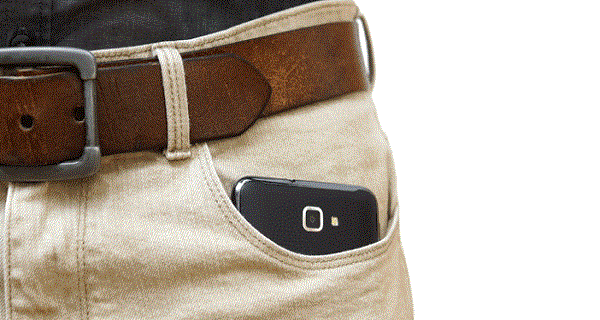
Avoid Carrying Your Phone on Your Body as that merely maximizes any potential exposure. Ideally put it in your purse or carrying bag. Placing a cell phone in a shirt pocket over the heart is asking for trouble, as is placing it in a man’s pocket if he seeks to preserve his fertility.
Don’t Assume One Cell Phone is Safer than Another: There’s no such thing as a “safe” cell phone. This is particularly true for industry promoted SAR ratings, which are virtually useless in measuring the true potential biological danger as most all of the damage is not done by heat transfer, which SAR measures.
Keep Your Cell Phone Away From Your Body When it is On: The most dangerous place to be, in terms of radiation exposure, is within about six inches of the emitting antenna. You do not want any part of your body within that area.
Respect Others Who are More Sensitive: Some people who have become sensitive can feel the effects of others’ cell phones in the same room, even when it is on but not being used. If you are in a meeting, on public transportation, in a courtroom or other public places, such as a doctor’s office, keep your cell phone turned off out of consideration for the ‘second hand radiation’ effects.
Children are also more vulnerable, so please avoid using your cell phone near children. If you are using the Pong case, which redirects the cell phone radiation away from the head and successfully lowers the SAR effect, realize that in redirecting the radiation away from your head this may be intensifying the radiation in another direction, perhaps toward the person next to you, or, if in your pocket, increasing radiation intensity toward your body.
Caution is always advised in dealing with any radiation-emitting device. We recommend cell phones be kept ‘Off’ except for emergencies.
Use Safer Headset Technology: Wired headsets will certainly allow you to keep the cell phone farther away from your body. However, if a wired headset is not well-shielded — and most of them are not — the wire itself acts as an antenna attracting ambient radio waves and transmitting radiation directly to your brain.
Make sure that the wire used to transmit the signal to your ear is shielded.The best kind of headset to use is a combination shielded wire and air-tube headset. These operate like a stethoscope, transmitting the information to your head as an actual sound wave; although there are wires that still must be shielded, there is no wire that goes all the way up to your head.
A breakthrough cancer treatment appears to be the reason why a handful of holistic doctors were recently found “suicided” is now gaining worldwide attention as a potential universal cure for cancer. And new microscopic footage released by First Immune shows this amazing remedy in action — the human protein GcMAF is visually seen activating the body’s own macrophages, which are then able to attack and destroy breast cancer cells in vitro.
The roughly two-minute video clip, which has been posted to YouTube, reveals the true healing power of GcMAF, a human protein that the body makes naturally but that some people lack or can’t produce in adequate volume.
By delivering an activated version of this substance intravenously, scientists have shown that the immune system can be fully invigorated to destroy cancer cells on its own without the need for chemotherapy or radiation.
“Your GcMAF empowers your body to cure itself,” explains the website GcMAF.se, operated by First Immune. “In a healthy person your own GcMAF has 11 actions discovered so far, including two on cells, three excellent effects on the brain, and 6 on cancer. Amongst these it acts as a ‘director’ of your immune system.”
As you’ll notice in the above video, GcMAF serves as the energized mechanism for macrophages to target and eliminate breast cancer cells. The incredible mechanistic action of this substance is shown in amazing clarity, and is further described in an associated paper entitled “Multifaceted immunotherapeutic effects of GcMAF on human breast cancer cells.”
“Time lapse photography over 60 hours shows the cancer monolayer … first changing from corrugated to smooth … as the cancer is destroyed,” reveals First Immune. “[T]hen the cancer ‘fingers’ are also eaten and destroyed by the macrophages.”
Holistic doctors ‘suicided’ over GcMAF, which threatens to put cancer industry out of business
Short for Globulin component Macrophage Activating Factor, GcMAF just so happened to be the primary focus of research being conducted by Dr. Jeff Bradstreet, M.D., a Florida doctor who was found floating dead in a river back in June. His sudden death was immediately ruled a suicide, even though he had a gunshot wound to the chest, suggesting he was murdered.
Dr. Bradstreet’s “suicide” was just one of about seven others that occurred all around the same time, and all within the holistic healing community. Dr. Bradstreet and his other now-dead colleagues had all been involved in research focused on GcMAF’s potential as both a treatment and cure for cancer, and one that doesn’t produce deadly side effects like conventional cancer treatments do.
GcMAF doesn’t actually cure cancer, of course — it merely provides the ammunition needed by the body’s own immune system to eradicate and cure cancer itself, naturally. And this represents a threat to the pharmaceutical industry, which profits to the tune of billions of dollars annually peddling quackery like chemotherapy and radiation, both of which have been shown to cause more cancer.
“GcMAF and/or oral Colostrum MAF macrophage activation therapy is indicated in the treatment of any diseases where there is immune dysfunction or where the immune system is compromised,” explains the website of a clinic out of Japan that sells an oral form of GcMAF.
Besides cancer, the conditions listed as appropriate candidates for GcMAF treatment include:
Cancer is the second leading cause of death in the World. According to the National Institute of Health, in United States only, around 1,658,370 new cases will be diagnosed and 589,430 people will die from cancer in 2015. While most conventional cancer treatments revolve around a mix of surgery, chemotherapy and radiation, some people question their efficacy — particularly chemotherapy. In these videos two naturopathic doctors make the argument that in many cases, chemo does more harm than good.
In the first video, Peter Glidden, BS, ND, brings up the relationship between cancer and monetary profit. Glidden, author of The MD Emperor Has No Clothes, cites a study published in the Journal of Clinical Oncology, which found that over a 12-year period, chemotherapy did not cure adult cancer 97 percent of the time. “Why is it still used? There’s one reason, and one reason only,” Glidden says in the video. “Money.”
He points out that while doctors don’t get direct kickbacks for prescribing most medications, chemo drugs are unique in that the doctors purchase them from the pharmaceutical company and then sell them to patients at a profit.
“Chemotherapeutic drugs are the only classification of drugs that the prescribing doctor gets a direct cut of,” Glidden says. “The only reason chemotherapy is used is because doctors make money from it — period. It doesn’t work 97 percent of the time. If Ford Motor Company made an automobile that exploded 97 percent of the time, would they still be in business?” he asks. “No.”
An Australian study looking at the contribution of cytotoxic chemotherapy to 5-year survival rates in adults with malignancies found that the “overall contribution of curative and adjuvant cytotoxic chemotherapy to 5-year survival in adults was estimated to be 2.3% in Australia and 2.1% in the USA.” In their conclusion, the researchers stated: “it is clear that cytotoxic chemotherapy only makes a minor contribution to cancer survival.”
He cites this issue as just one example of a so-called healthcare system that prioritizes profits over human wellness.
“This is the tip of the iceberg of the control that the pharmaceutical industry has on us,” says Glidden. “Medicine in the United States is a for-profit industry. Most people are unaware of this, and most people bow down to the altar of MD-directed high-tech medicine.”
In the second video, naturopathic doctor Leonard Coldwell shares a similar perspective, calling chemotherapy “the Agent Orange of the medical profession.”
“If you have a garden with flowers and bushes and trees and grass, and some weeds, you come with Agent Orange and kill it all off, and now it’s all dead, and you hope only the good stuff is coming back,” Coldwell says. “They bombard the entire system and then they say the cancer is in remission.”
He notes that statistics on the effectiveness of cancer cures refer to survival rates after five years. “You killed basically every bioelectrical and biochemical function in the body,” he says. “Since nothing works anymore, for three years, you have no cancer, you’re cured. You’re just dead in five years.”
Coldwell claims that radiation can cause similar harm. “It’s an assault with a deadly weapon,” he says. “When you radiate someone, it’s causing scars. A scar can never turn back into healthy tissue.”
The problem, he says, is the way doctors are trained. “No medical doctor ever learns about curing anything,” says Coldwell. “They learn about chemical intervention or surgery to suppress symptoms. They don’t go for the root cause.”
He points out that doctors have high rates of suicide as well as alcohol and drug abuse. “These poor guys figure out over time that they have no tools and that they are murdering, and [have] murdered, their patients,” Coldwell says. “You go into the medical profession, the first year, the first two years, you’re really excited, you’re really in it, you’re giving your all, until you find out no matter what you do the patient gets worse, or they cure themselves.”
“These poor doctors figure out they cannot help,” he says. “The medical profession is a religion.”
After a successful surgery to remove a cancer-ridden section of Jeff Moroso’s large intestine in the spring of 2013, the oncologist sat down with his patient to prepare him for what would come next: 12 rounds of punishing chemotherapy, once every two weeks for six months—standard practice for the treatment of colon cancer.
Moroso’s oncologist spent most of that appointment writing prescriptions for medications he said would minimize the debilitating side effects of chemotherapy. He gave Moroso scripts for ondansetron (Zofran) and prochlorperazine (Compazine) for nausea, and lorazepam (Ativan) for anxiety and insomnia. Because the nausea drugs are known to cause gastrointestinal problems and headaches, he also recommended three over-the-counter medications for constipation and one for diarrhea, as well as ibuprofen for pain. In total, he instructed Moroso to take more than a dozen prescription and nonprescription drugs and supplements.
Moroso says the first three rounds of treatment were more awful than he could have ever imagined. After chemotherapy, he felt so ill and weak that he could barely stand up, and it took him days to rebound. And the prescription drugs just made him feel worse. “I felt real sick, incapable of doing anything except for lying there and trying to hang on,” says Moroso, who is 70 and now cancer-free.
Moroso couldn’t afford to lose days of work while he was doing his chemo. He’d heard from friends and read in the paper that cannabis can help a patient through chemotherapy, so he got a letter from his oncologist that allowed him to obtain medical marijuana. (He chose coffee beans infused with 5 milligrams of cannabis, a low dose that he took when he felt he had to.) By the seventh round of chemotherapy, Moroso had dumped his prescription pills. “I would get blasted on the stuff and be happy as a clam, no problems,” he says.
A growing number of cancer patients and oncologists view the drug as a viable alternative for managing chemotherapy’s effects, as well as some of the physical and emotional health consequences of cancer, such as bone pain, anxiety and depression. State legislatures are following suit; medical cannabis is legal in 23 states and the District of Columbia, and more than a dozen other states allow some patients access to certain potency levels of the drug if a physician documents that it’s medically necessary, or if the sick person has exhausted other options. A large number of these patients have cancer, and many who gain access to medical marijuana report that it works.
“A day doesn’t go by where I don’t see a cancer patient who has nausea, vomiting, loss of appetite, pain, depression and insomnia,” says Dr. Donald Abrams, chief of hematology-oncology at San Francisco General Hospital and a professor of clinical medicine at the University of California, San Francisco. Marijuana, he says, “is the only anti-nausea medicine that increases appetite.”
It also helps patients sleep and elevates their mood—no easy feat when someone is facing a life-threatening illness. “I could write six different prescriptions, all of which may interact with each other or the chemotherapy that the patient has been prescribed. Or I could just recommend trying one medicine,” Abrams says.
A 2014 poll conducted by Medscape and WebMD found that more than three-quarters of U.S. physicians think cannabis provides real therapeutic benefits. And those working with cancer patients were the strongest supporters: 82 percent of oncologists agreed that cannabis should be offered as a treatment option.
Dr. Benjamin Kligler, associate professor of family and social medicine at Albert Einstein College of Medicine, says there has been enough research to prove that at a bare minimum cannabis won’t actually harm a person. In addition, “given what we’ve seen anecdotally in practice I think there’s no reason we shouldn’t see more integration of cannabis in the long run as a strategy,” he says. “We have this extremely safe, extremely useful medicine that could potentially benefits a huge population.”
Some years ago, Dr. Gil Bar-Sela, director of the integrated oncology and palliative care unit at the Rambam Health Care Campus in Haifa, Israel conducted two rounds of phone interviews with 131 cancer patients who used cannabis while in chemotherapy; just less than 4 percent of participants reported that they experienced a worsening of symptoms when they started using cannabis and the majority said it helped, according to the resulting paper published, in Evidence-Based Complementary and Alternative Medicine in 2013.
But self-reported data like this is limited when it comes to proving the clinical impact of cannabis. Patients may be biased in their opinions that cannabis is effective, may not accurately document their use of the drug, or may confuse the effects with those of the cancer treatment. In addition, symptoms such as pain are subjective and difficult for a physician to measure.
A paper published recently in JAMA analyzed the findings of 79 studies on cannabinoids for a variety of indications, including nausea and vomiting from chemotherapy, appetite stimulation for patients with HIV/AIDS, chronic pain and multiple sclerosis, among other conditions. This review, which accounted for 6,462 patients, found most who used cannabinoids reported improvements to symptoms compared with patients in placebo groups. However, the researchers say these improvements were not statistically significant. The analysis also indicated that cannabinoids had limited impact on symptoms of nausea and vomiting, and a number of patients reported adverse effects from the drug, including dizziness, disorientation, confusion and hallucinations.
Perhaps the biggest challenge in understanding marijuana stems from the fact that it is not a bespoke drug designed to act in a specific way on the body — it’s a complex plant that appears to provide a wealth of health benefits. The cannabis sativa plant contains more than 85 cannabinoids, a variety of chemical compounds that also exist in the body. Just as opioid pills activate the opioid receptors (and limit a person’s perception of pain), cannabinoids in marijuana activate the cannabinoid receptors, located throughout the body, including in the brain, liver and immune system.
To date, we really know about only two of these cannabinoids: tetrahydrocannabinol and cannabidiol. Research into THC and CBD has led to the development of drugs such as dronabinol (Marinol), a synthetic cannabinoid approved by the U.S. Food and Drug Administration for nausea and vomiting from chemotherapy and as an appetite stimulant, anti-nausea and anti-pain medication for AIDS patients. Nabiximols (Sativex), another cannabinoid drug, is THC and CBD that is derived from the plant and delivered as a mouth spray. It’s available in Europe and several other countries—but not yet FDA-approved—for multiple sclerosis patients to treat neurological pain and spasticity. One study on nabiximols for the treatment of cancer-related pain produced disappointing results. However, the GW Pharmaceutical Company, the maker of Sativex, is pushing through with further trials to evaluate the drug as a potential adjunctive therapy for opioids for pain management in patients with advanced cancer.
But how other cannabinoids work together is still much of mystery, says Dr. David Casarett, a professor of medicine at the University of Pennsylvania’s Perelman School of Medicine and the author of Stoned: A Doctor’s Case for Medical Marijuana. This means researchers aren’t entirely sure why the plant could help people manage symptoms like nausea and pain. “Marijuana is not as much of a science as it should be,” he says.
In large part, says Casarett, that’s because medical marijuana has proved to be most effective in palliative care, the medical specialty that focuses on managing symptoms of disease and improving a patient’s quality of life—and there is very little funding for palliative care in this country. “That’s changing slowly,” he says, “but it’s still much easier to get funding to test disease-modifying treatments than it is to develop and test palliative therapies, including cannabis.”
We are starting to get some idea of the palliative power of cannabis, Abrams says. “The reason we think we have this whole pathway of the receptors and the endocannabinoids is to get us to forget things, and particularly to get us to forget pain,” he says. In addition, cannabinoids relieve symptoms of nausea because that’s also a physiological reaction stemming from the central nervous system.
With the public perception of marijuana changing rapidly, barriers to studying the plant’s medicinal potential are beginning to fall. Earlier this spring, for example, the Obama administration announced it would remove some of the restrictions on medical marijuana research. In the meantime, though, it is clear that marijuana has a unique and important role to play in cancer care.
“People are realizing that even when patients do well in terms of survival, there’s a lot of suffering along the way that needs to be addressed,” says Casarett. “For many patients, [marijuana] is an opportunity to take control over their disease and symptom management when they can’t get the relief they need from the health care system.”
This article is one in a series from Newsweek ‘s 2015 Cancer issue, exploring challenges and innovations in cancer treatment and research. The complete issue is available online and at newsstands.
Inflammation. Yes inflammation is the real cause of heart disease. Specifically, inflammation in your artery walls is the real cause of heart disease.
What exactly is inflammation?
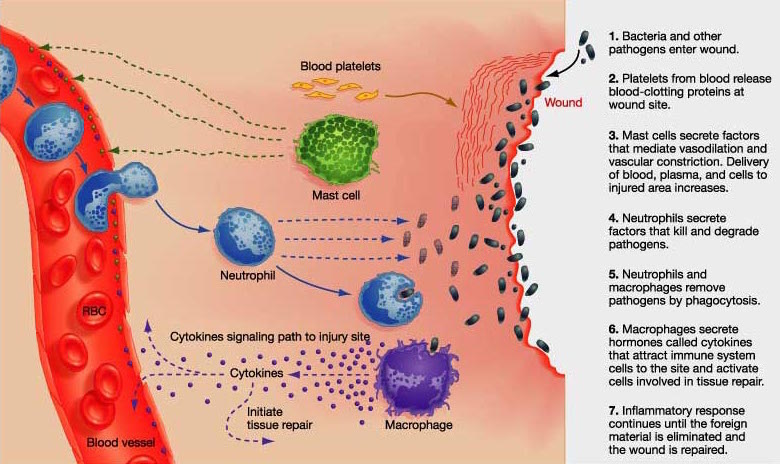
Simply put, inflammation is a mechanism your body has for self protection. The purpose of which is to remove harmful stimuli. This includes pathogens, irritants and damaged cells. There after, your body’s healing process can begin.
Inflammation kicks in when you get some sort of trauma (i.e. fall, punch, kick, etc), infection by pathogens (bacterial, viral), sunburn, etc. Pain, redness, swelling and radiating heat are all tell-tale signs of inflammation.
So far, it sounds like inflammation is a vital part of our health.. So how does it cause heart disease?
Yes, inflammation is indeed an important part of your body’s immune response. One which is very necessary for its proper functioning.
What I’ve described above is actually ACUTE inflammation. Inflammation is supposed to be fast and short lasting. If you’ve ever twisted your ankle, you’d notice how fast it swells up and becomes inflamed. Your body’s inflammation response is not meant to be on all the time!
However that’s exactly the case when your body’s inflammation is chronic or systemic. Chronic inflammation is prolonged over time; lasting weeks, months, and perhaps even years. This chronic, smouldering inflammation is what’s slowly destroying your organs and your body’s ability to function optimally.
So what causes systemic or chronic inflammation?
So what’s causing your body to have chronic inflammation? The biggest culprits would be the recommended mainstream diet. This overloads your body with simple, highly processed carbs (i.e. sugar, flour, high fructose corn syrup, etc), coupled with excessive consumption of vegetable oils (like soybean, corn, sunflower) which are loaded with omega-6 oils. Omega-3 oils on the other hand are anti-inflammatory.
Another highly inflammatory food is trans fat (AKA hydrogenated fat). They are usually found in packaged foods, fast food, margarine, shortening and most peanut butter.
How does this translate to heart disease?
Ok, let’s start with refined carbs or sugar. The blood sugar in our body is regulated within a very narrow range. Extra molecules of sugar in your blood stream would attach itself to different proteins. This in turn causes minor injuries to your blood vessel wall.
If this happens once in a while, your body healing mechanism would be able to cope with it. However when you spike your blood sugar level several times a day, every day, this repeated injury sets off a systemic/ chronic inflammation in your body.
How about trans fat and omega-6 oils?
Omega-6’s are actually essential for your body – they form part of our cell membrane controlling what goes in and out of the cell. However, they must be in the correct balance with your omega-3 consumption (optimal ratio of 3:1).
If your diet consists of excessive omega-6 oils, your cell membrane starts to produce cytokines. Cytokines directly causes inflammation in your body. So if you have too much cytokines floating around in your body, this causes your body to have systemic inflammation.
Wait a minute, what about cholesterol, how does that come into play?
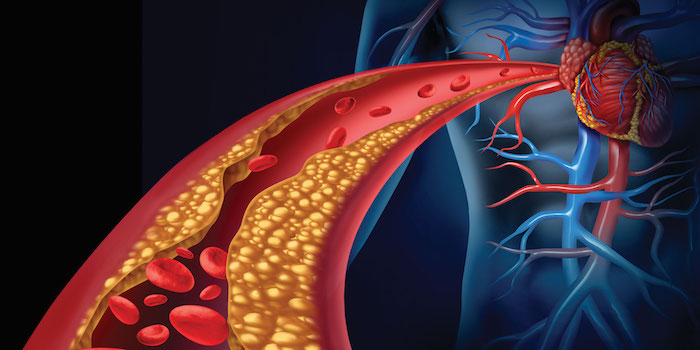
So here’s the question, why do you find a buildup of cholesterol in your blood vessels? It might help to consider the role cholesterol plays in your body. Cholesterol is actually sent by your body’s healing mechanism to protect sites that are damaged by inflammation.
This means that if you have too much cholesterol built up in your arteries, the root cause is actually chronic inflammation.
An analogy for this would be to blame the firemen for causing the fires, because they are always to be found at the sites of fire. But this is our health at risk, we can’t afford to be treating the symptom while ignoring the root cause.
So what can you do?
> Cut out or at least reduce your intake of inflammatory foods (this includes refined carbs, sugar, trans fat, high omega-6 vegetable oils)
> Avoid foods you’re allergic to. Common ones that people are intolerant towards are gluten and dairy.
> Move around more. So maybe take the stairs or walk up the escalator. Regular exercise helps your body reduce inflammation. It also improves your immune function, corrects & prevents insulin resistance, strengthens your heart health and much more.
> Supplement with omega-3 oil and vitamin D. They’re both anti-inflammatory for your body.









 Randolph's World