Feeds:
Posts
Comments

People who practice oil pulling absolutely swear by the great benefits oil pulling has done to their oral health, such as brightening their teeth, treating bleeding gums and gingivitis.

And indeed the technique of oil pulling or oil swishing has been with us for a long time and is a traditional folk remedy that was mentioned in Ayurvedic medicine for oral health. There has been a very little clinical research, mostly in India, that have suggested that it may reduce oral plaque, bad breath, and gingivitis. This technique didn’t break into mainstream alternative medicine until a naturopath and nutritionist named Bruce Fife wrote about it in his 2008 book Oil Pulling Therapy: Detoxifying and Healing the Body Through Oral Cleansing.

This technique involves the use of cold pressed oils to pull harmful bacteria and other organisms out of the mouth, tongue, teeth and gums. Sesame oil, sunflower oil, and coconut oil are the most recommended oils. Other oils such as extra virgin olive oil or flaxseed have been used too. In any case, using high quality organic oil into the mouth is critical to the effectiveness of this practice. The role of the oil is to pull out toxins from the saliva and acts like an antiseptic mouth wash.

The practice of oil pulling itself is very simple:

Take about 2 tablespoons of oil when you wake up in the morning and before you eat anything. Swish the oil around your mouth, teeth, gums and tongue for about 15-20 minutes (yes, this is not a mistake – you can do it while you prepare yourself for the morning to come, while in the shower, watch TV, or while doing work around the house to help pass the time). During that time the oil will have changed its color to whiter or yellowish color. Don’t swallow the oil, as the whole aim is to get rid of toxins, so if you swallow any oil, you put the toxins back into your body. After 20 minutes spit all the oil out (it is recommended not to dispose the oil in the sink drain or the toilet, as the oil accumulates and can clog the pipes). After spiting all the oil, rinse your mouth thoroughly with water and brush your teeth as usual and floss. After this is done, you can drink and eat as usual.

Top 9 Biggest Lies About Dietary Fat and Cholesterol

By Kris Gunnars |

The areas of nutrition and disease prevention are full of incompetence.

We have been wrongly advised to avoid saturated fat and cholesterol, despite no evidence of harm.

Here are the top 9 biggest lies, myths and misconceptions about dietary fat and cholesterol.

  1. A Low-Fat, High-Carb Diet is The Optimal Human Diet

Back in 60s and 70s, many prominent scientists believed that saturated fat was the main cause of heart disease, by raising the “bad” cholesterol in the blood.

This idea was the cornerstone of the low-fat diet.

Because of a few bad studies and misguided political decisions, this diet was recommended to all Americans in the year 1977.

However, there wasn’t a single study on this diet at the time. The American public became participants in the largest uncontrolled experiment in history.

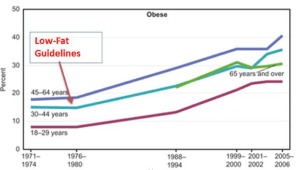
This experiment didn’t turn out very well and we are still suffering the consequences. This graph shows how the obesity epidemic started at almost the exact same time the low-fat guidelines came out:
Untitled

The diabetes epidemic followed soon after.

Of course, a graph like this doesn’t prove anything. Correlation does not equal causation.

But it seems plausible that the low-fat recommendations made things worse because people started eating less of healthy foods like meat, butter and eggs, while eating more processed foods high in sugar and refined carbohydrates.

Even though there was little evidence at the time, the low-fat diet has actually been thoroughly studied in the past few years and decades.

It was put to the test in the biggest controlled trial in nutrition history, the Women’s Health Initiative.

In this study, 48,835 postmenopausal women were split into two groups. One group ate a low-fat diet (with the whole grains and all that) while the other group continued to eat “normally.”

After a period of 7.5-8 years, the low-fat group weighed only 0.4 kg (1 lb) less than the control group and there was no difference in the rate of heart disease or cancer between groups.

Other huge studies also found no advantages for the low-fat diet.

But it doesn’t end there, unfortunately… the low-fat diet recommended by most nutrition organizations is not only ineffective, it may even be downright harmful.

In multiple human studies, the low-fat diet has actually made some important risk factors worse, raising triglycerides, lowering HDL (the good) cholesterol and making the LDL particles smaller.

Despite miserable results in the studies, many nutritionists all over the world continue to recommend the low-fat diet that is hurting more people than it helps.

Bottom Line: There is no evidence that low-fat diets have any benefits. They do not cause weight loss in the long-term or reduce the risk of chronic diseases. Some studies show that they may even cause harm.

  1. Cholesterol Rich Foods (Like Eggs) Are Bad For You
Untitled

Nutrition professionals have had remarkable success with demonizing perfectly healthy foods.

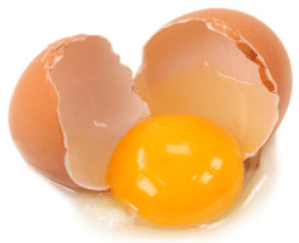
Probably the worst example of that is eggs, which are among the healthiest foods on the planet.

Just think about it… the nutrients in an egg are enough to turn a single fertilized cell into an entire baby chicken.

Even so… because eggs contain large amounts of cholesterol, they were believed to cause heart disease.

However, studies actually show that the cholesterol in the diet does NOT raise the bad cholesterol in the blood. Eggs raise HDL (the good) cholesterol and are not associated with an increased risk of heart disease.

What we’re left with is an incredibly healthy food… loaded with vitamins, minerals and powerful nutrients that are important for the eyes and brain.

Keep in mind that almost all the nutrients are found in the yolk… the white is nothing but protein. Telling people to ditch the yolks may be just be the most ridiculous nutrition advice in history.

Bottom Line: Eggs were demonized because of the high amount of cholesterol, but new studies show that they don’t raise cholesterol in the blood or contribute to heart disease. Eggs are among the most nutritious foods on the planet.

  1. Your Total and LDL Cholesterol Levels Are Good Indicators of Heart Attack Risk

Untitled

Probably the biggest mistake in modern medicine is focusing too much on Total and LDL cholesterol levels as indicators of heart attack risk.

Well… it is true that elevated levels of both are associated with increased risk.

But the whole picture is much more complicated than that.

Total cholesterol actually includes lots of things… including HDL, also known as the “good” cholesterol.

Having high HDL actually raises your Total cholesterol number.

LDL cholesterol isn’t just LDL either… there are subtypes.

We have the small, dense LDL particles (very bad) and then we have the large, fluffy LDL (good). The small particles are associated with heart disease, while the large ones are mostly benign.

Studies actually show that Total and LDL cholesterol are poor indicators of risk compared to other markers, like the Triglyceride:HDL ratio.

One study found that out of 231,986 patients hospitalized for heart disease, half of them actually had normal LDL levels!

There are also studies showing that high cholesterol can be protective. In old individuals, the higher the cholesterol, the lower your risk of heart disease.

Not to mention that cholesterol levels that are too low are actually associated with increased risk of death… from other causes, like cancer and suicide.

Despite the weak predictive value of Total and LDL cholesterol, people with elevated numbers are often instructed to lower cholesterol by any means necessary… including a low-fat diet (which doesn’t work) and statin drugs.

Right now, millions of people all around the world are taking cholesterol lowering drugs without needing them, unnecessarily suffering the risk of serious side effects.

Bottom Line: Total and LDL cholesterol levels are actually quite poor markers of heart disease risk. Many people are being unnecessarily medicated because doctors tend to focus on these numbers.

  1. Processed Seed- and Vegetable Oils Are Healthy
Untitled

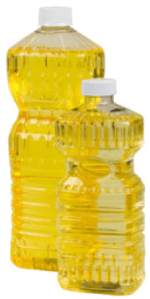
For some very strange reason, processed seed- and vegetable oils became recognized as health foods.

Humans only started consuming them about a 100 years ago, because we didn’t have the technology to process them until then.

Yet, somehow the nutrition geniuses figured that these would somehow be very healthy for humans and certainly better than the “dangerous” saturated fats.

These oils, which include soybean, corn and cottonseed oils, are very high in polyunsaturated Omega-6 fatty acids, which are harmful in excess and can contribute to inflammation.

Despite these oils being recommended to reduce heart disease, there are actually multiple studies showing that they increase the risk.

In a study that looked at common cooking oils on the U.S. market, they found that 0.56% to 4.2% of the fatty acids in them were highly toxic trans fats!

However… these oils are actually recommended by the beloved organizations that are supposed to be in charge of protecting our health.

This is one example of where blindly following the conventional nutritional wisdom can put you in an early grave.

Bottom Line: Processed seed- and vegetable oils are very unhealthy, loaded with Omega-6 fatty acids and trans fats that can contribute to disease.

  1. Saturated Fat Raises Your Bad Cholesterol and Causes Heart Disease

Untitled

The “war on saturated fat” has been a miserable failure.

It was initially based on flawed studies, but somehow became public policy (with disastrous consequences).

The worst part is… the governments and health organizations have yet to change their position despite overwhelming evidence that they’ve been wrong all along.

Actually, saturated fat doesn’t really raise LDL that much. The effect is weak and inconsistent and appears to depend on the individual.

When saturated fat does affect LDL, it changes the particles from small, dense (very, very bad) to Large LDL, which is mostly benign.

Saturated fat also raises HDL cholesterol, which is associated with a reduced risk of heart disease.

If anything, saturated fats actually improve the lipid profile, NOT the other way around.

In the past few years, many massive studies have examined the link between saturated fat and heart disease risk.

One of these studies included 347,747 participants and looked at data from 21 studies. The conclusion: there is no evidence that saturated fat increases the risk of heart disease.

Many other studies confirm these findings. Saturated fat is harmless.

The truth is… saturated fat never has been and never will be proven to cause heart disease, because it simply isn’t true.

Bottom Line: Despite decades of anti-fat propaganda, saturated fat has never been proven to cause heart disease. In fact, saturated fat improves some of the most important risk factors for heart disease.

  1. Saturated Fats and Trans Fats Are Similar
Untitled

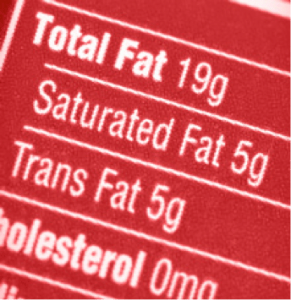
Trans fats are unsaturated fats that have been chemically modified to be more solid and have a longer shelf life.

They are also known as partially hydrogenated fats.

The manufacturing process is very disgusting… involving high pressure, high heat, a metal catalyst and hydrogen gas.

The fact that anyone thought these nasty fats would be suitable for human consumption is baffling.

Some of the major health organizations have started to confuse people by grouping trans fats together with saturated fats, calling them the “bad fats”.

However… like I outlined above, saturated fat is completely harmless, but the same can NOT be said for trans fats.

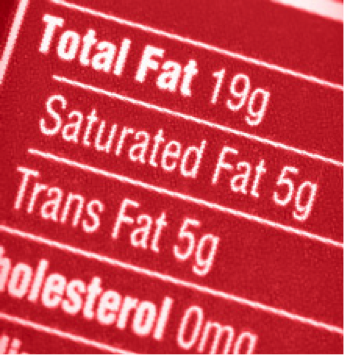
Trans fats are highly toxic and can cause insulin resistance, inflammation and significantly raise the risk of serious diseases like heart disease.

Even though consumption has gone down, trans fats are still found in processed foods and the FDA still categorizes them as “Generally Regarded as Safe” (GRAS).

If you want to avoid chronic disease… then eat your butter, meat and coconut oil, but avoid trans fats as if your life depended on it (it does).

Bottom Line: Trans fats resemble saturated fat in consistency and shelf life, but the chemical composition is still very different. While saturated fats are harmless, trans fats are highly toxic and should be avoided.

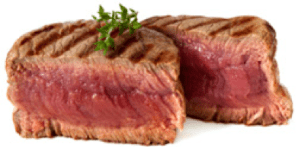
  1. Eating Fat Makes You Fat and High-Fat Diets Are Dangerous
Untitled

Fat is the stuff that lodges under our skin and makes us look soft and puffy.

Therefore, eating more fat should make us store more of it. You are what you eat, right?

Well, it actually isn’t that simple.

Even though fat has more calories per gram compared to protein and carbs, foods that are naturally high in fat are very fulfilling and hard to overeat.

In fact, studies on diets that are high in fat (and low in carbs) show that these diets cause more weight loss than diets that are low in fat.

Low-carb, high-fat diets also lead to all sorts of other benefits… increased HDL cholesterol, lower triglycerides, lower blood sugar and insulin levels, more abdominal fat loss and improved size of LDL particles.

Despite this, many nutrition professionals still have the audacity to call low-carb dietsharmful, then continue to peddle the failed low-fat diet that has been proven, time and time again, to be completely ineffective.

Bottom Line: Despite fat having more calories per gram than carbs or protein, studies show that high-fat (and low-carb) diets actually lead to more weight loss than low-fat diets.

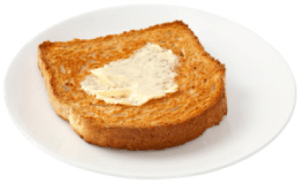
  1. Processed Margarine is Better Than Natural Butter
Untitled

Because of the war on saturated fat, butter became recognised as an unhealthy food.

Food manufacturers jumped on the bandwagon and started producing butter replicates like margarine.

Most margarines contain large amounts of processed vegetable oils, often with trans fats added to the mix.

It is hard to imagine how people could think that processed, factory made margarine would be healthier than butter, which is completely natural and humans have been eating for a long time.

The studies also do NOT support the idea that margarine is healthier than butter. In the Framingham Heart Study, margarine was associated with an increased heart disease risk compared to butter:

Many other studies have looked at high-fat dairy products and found no evidence that they contribute to any disease… in fact, high fat dairy is associated with a lower risk of obesity.

Despite all the fear mongering, high fat dairy products like butter are extremely healthy, especially if they are derived from grass-fed cows.

Bottom Line: Margarine is an unhealthy fake food produced in factories, usually containing trans fats and processed vegetable oils. Butter is a much healthier choice, especially if it comes from grass-fed cows. 

  1. Processed Low-Fat Foods Are Healthy Options

Untitled

Because of the ridiculous low-fat advice, food manufacturers removed the fat from some of their foods.

But there was a major problem… natural foods taste terrible without the fat.

The food manufacturers realized this and added a whole bunch of sugar to compensate for the missing fat.

For this reason, most “low fat” foods are actually loaded with sugar, which is seriously harmful.

If a food has “low fat” or “diet” on the label, then you will probably find sugar, corn syrup and various artificial chemicals on the ingredients list.

However, sales of these foods have skyrocketed because many nutrition professionals still advise people to eat them… even though the “normal fat” alternatives are much healthier!

dsc_00851

Written by a cancer survivor:

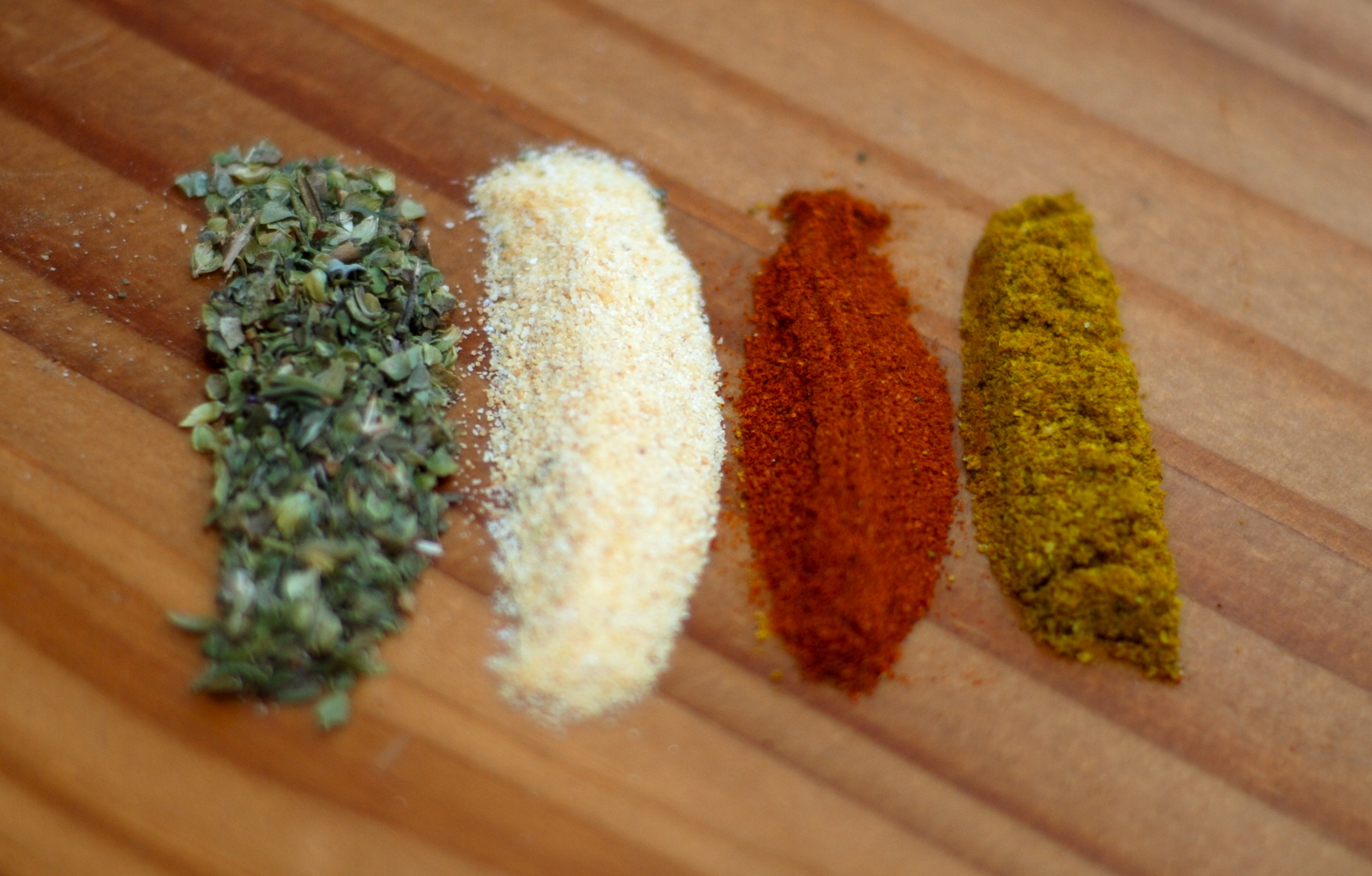
Oregano, Garlic, Cayenne, Turmeric

These four cancer-fighting spices have powerful health benefits and were part of my daily regimen to heal cancer without chemo. They are common, but not commonly found in American cuisine, so I had to be very deliberate about adding them to my food. I took copious amounts of these four spices and still do today.

They are (organically grown): Oregano, Garlic, Cayenne Pepper, and Turmeric.

The Turmeric plant is a relative of Ginger and has been used for thousands of years in Indian Ayurvedic medicine (the science of long life) as an antiseptic and antibacterial agent to treat infection, inflammation, wound healing, poor digestion, etc. And as you may know, it is also a staple ingredient in Indian, Persian, Thai, and Malaysian Cuisine.

Indians eat a mostly plant-based diet, have some of highest spice consumption in the world, and significantly lower cancer rates than Americans. They have five times less breast cancer, ten times less colorectal cancer, and twelve times less lung cancer on average.

Turmeric is the business because it contains the powerful cancer-fighting polyphenol Curcumin.

Curcumin has been clinically shown to inhibit growth of various cancer cells including: Bone Cancer, Breast Cancer, Brain Tumors, Colon, Liver, Pancreatic, Stomach, Bladder, Kidney, Prostate, Leukemia, Ovarian, Melanoma, and more!

Curcumin has the ability to block every stage of cancer development, from cell mutation, to tumor growth, to metastasis. It can also kill many different types of cancer cells by triggering apoptosis (programmed cell death) without affecting normal cells. It is because of these known benefits, that curcumin has been the subject of cancer research for many decades.

There are hundreds of published studies demonstrating the anti-cancer power of curcumin, but because the pharmaceutical industry hasn’t figured out how to make a patentable FDA-approved drug out of it, curcumin cannot be used in cancer treatment. This is the reality of “evidence-based medicine”, ignoring all evidence that cannot produce patented profitable drugs.

Curry Powder (shown above) is a common ingredient in indian and asian cuisine, is typically a mixture of coriander, turmeric, cumin, fenugreek, and red pepper. I love turmeric and curry powder and I put it on everything. Any time you put turmeric on a dish make sure to add a little black pepper, it increases your body’s absorption of turmeric by about 2000%.

Love the stuff. It’s delicious!

Oregano has extremely high levels of antioxidants and antimicrobial compounds. It is a powerful parasite fighter. One teaspoon of oregano has the same antioxidant power (ORAC) of two cups of red grapes. It contains the phytochemical Quercetin, which is known to slow cancer growth and also promote apoptosis (there’s that word again). And on top of that Oregano is a good source of Vitamin K and Iron.

Garlic is the most powerful anti-cancer spice. Studies all over the world have shown it to lower the risk of developing all types of cancers especially colon, stomach, intestinal, and prostate cancer. It has strong antibacterial properties as well as the ability to block formation and halt activation of cancer-causing substances. It can also enhance DNA repair, slow down cell reproduction, and like Turmeric and Oregano, induce apoptosis. It stops cancer growth and kills cancer cells.

The World Health Organization recommends adults have a daily dose of fresh garlic (approximately one clove). So not only did I put garlic powder on everything I ate, but I also chopped it up raw garlic cloves into little bits and swallowed them like pills. Did I reek of garlic? Oh yeah. Did I care? No I did not.

Cayenne Pepper contains Capsaicin, which is the active compound that sets your lips, tongue, and everything else on fire. Turns out Capsaicin is also the stuff kills cancer cells, causing…can you guess it?

Apoptosis!

Cayenne is also a key ingredient in The Master Cleanse for its detox abilities.

The Hotter the Better: If you can handle the heat, Habanero Peppers contain 4-6 times more Capsaicin than Cayenne with a Scoville rating of 200,000 units. Yeeoow!!!

Here’s a beautiful and fascinating video published Tuesday by U.S. and British researchers in the journal Immunity which shows how cytotoxic T-cells, relentlessly hunt down and destroy cancer cells in your body.

Watch how the T-cells, which appear as roaming orange or green blobs, ruthlessly stalk and attack cancer cells (blue) by blasting them with cytotoxins (red).

“Inside all of us lurks an army of serial killers whose primary function is to kill again and again,” Gillian Griffiths, director of the Cambridge Institute for Medical Research, said in a release detailing the study. “These cells patrol our bodies, identifying and destroying virally infected and cancer cells, and they do so with remarkable precision and efficiency.”

Just another reminder that your immune system is designed to eliminate cancer.

If you have cancerous tumors in your body, this means your immune system is weak, overloaded or suppressed. Healing cancer requires a radical change of diet and lifestyle with nutrition and therapies that build up your body and your immune system.

Any therapy that shrinks tumors in the short term but destroys your immune system will only make matters worse in the long term.

Article Source: The Washington Post

12wuj1nea9nc42olvvqf1xysy.1000x867x1

By Sylvia Booth Hubbard, Newsmax

For many years, coffee was considered a vice, linked with sleepless nights and cigarettes.

But scientists have discovered that coffee contains potent antioxidants that can fight numerous ailments, including heart disease and diabetes.  According to the American Coffee Association, 54% of Americans  drink coffee on a daily basis, and they drink, on average, over three cups each.

The diseases coffee can benefit include:
Dementia. Drinking moderate amounts of coffee during middle age – classified as three to five cups daily – can decrease the risk of dementia by 65%, according to a 2009 study by Swedish and Finnish researchers.

Liver disease
In those who drink too much alcohol, those who drank the most coffee – more than four cups every day – reduced their risk of developing alcoholic cirrhosis by 80%.

Heart disease
Research associated with The Nurses’ Health Study found that women who drank two to three cups of coffeedaily had a 25% lower risk of dying from heart disease. Along the same line, a Spanish study found that men who drank more than five cups of coffee each day lowered their risk of dying from heart disease by 44%, and that women who drank four to five cups each day reduced their risk by 34%.

Prostate cancer
A recent study from Harvard Medical School found that men who drank the most coffee slashed their risk of developing the fastest growing and most difficult to treat prostate cancers by more than half when compared to men who drank no coffee.

Gout
Drinking four or more cups of coffee each day dramatically reduces the incidence of gout, say U.S. and Canadian researchers. Men who drank four to five cups daily lowered their risk by 40 percent, and those who drank six or more cups daily reduced their risk of developing gout by 59% when compared to men who didn’t drink coffee.

Breast cancer
Coffee can either reduce the risk of developing breast cancer or delay its onset, according to Swedish studies. They found that coffee alters a woman’s metabolism and produces a safer balance of estrogens. Women who drank two to three cups of coffee a day reduced their cancer risk by as much as two-thirds, depending on the specific type of breast cancer.

Diabetes
Enjoying six or more cups of coffee daily can cut chances of Type 2 diabetes by 54% in men and 30% in women over those who don’t drink coffee.

Parkinson’s disease
Several studies show that drinking coffee lowers a man’s risk of developing Parkinson’s up to 80 percent – and the more the better.

Colon cancer
A Japanese report found that women who drank three or more cups of coffee every day slashed their risk of developing colon cancer in half.

What’s responsible for coffee’s healthy benefits? Most researchers believe it’s the antioxidants (polyphenols or flavonoids) in coffee, but there are hundreds of compounds in coffee that may be partially responsible.

Do-you-Know-What-Will-Happen-if-You-Drink-Coconut-Water-For-7-Days

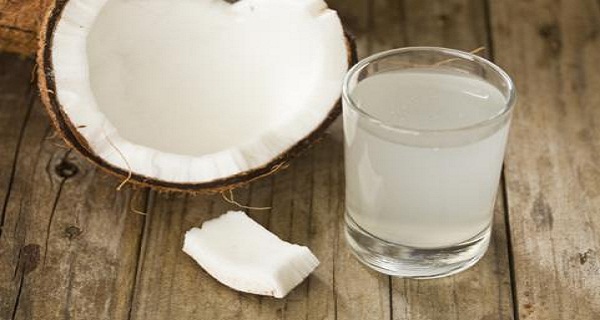
Does coconut water have a magical effect as everyone claims? You have probably heard about coconut oil and the numerous benefits it offers. Now, you will read about the biggest advantages of coconut water of which you have probably not heard before.

You probably did not know that coconut water has a practical compatible structure with the blood plasma in human bloodstream. Moreover, coconut water was used in armed conflicts in the past as a replacement for blood and numerous lives were saved in long and exhausting battles.

Nowadays, coconut water is used all around the globe. You can find it in numerous markets which offer you the chance to use the beneficial advantages of this unbelievable fruit. Coconut water does not taste very pleasantly, but this should not be the reason to avoid one of the best detoxification waters in the world.

What happens when you drink this water?

When you consume coconut water you strengthen your immune system and you eliminate the bacteria which cause urinary tract infections, gonorrhea, gum diseases and viruses which cause cold, infection diseases and typhus.

It will not only increase your energy, but it will also increase the production of thyroid gland hormones. This water is also very good for people who suffer from kidney diseases since it reacts as a natural diuretic. It will cleanse the urinary tract and the bladder canals. It will remove the toxins from the body and ‘’crash’’ the kidney stones. Coconut water is good for digestion due to the high level of fibber which it contains. If you drink it regularly it will eliminate the gastric acid. You can drink it in big amounts, since it has low levels of fat. You will lose weight, thanks to water’s ability for keeping you sated and meanwhile it lowers the appetite.

If you have acne, oily or dry skin, all you need to do is to soak a cotton wool in the coconut water and apply it to the skin. It will clean and freshen up the skin, and most importantly, it will keep the pores open. If you mix the water with olive oil, you can cleanse your organism. This mixture can remove bowel parasites.

According to experts, you can solve several health problems during pregnancy with the help of coconut water. Drink one cup of coconut water every morning and you will balance the electrolytes whose misbalance can lead to hypertension, also known as high blood pressure.

If you drink alcohol during the night you will probably have headache in the morning. So, the next time when you exaggerate with alcohol, you will remember this ‘’savior’’ if you want to get rid of the headache. Additionally, it will also compensate for the lost fluids and you will overcome the nausea which is often related with hangover.

If you want your skin to be hydrated and radiant during the entire day, one cup of coconut water will be enough. Also, after several exhausting physical activities, you can drink coconut water and you will regain energy. It will refresh you and leave a positive influence on each body part.

Increase of energy, strong immune system, protection from bacteria and infections, weight loss… What more can you wish for?

this-powder-is-causing-cancer-in-10000-women

Baby powder is a common sight in all households, even when no baby is present. Most women swear by the talc­based powder, claiming it makes skin soft and younger looking.

If this is you, you need to stop.

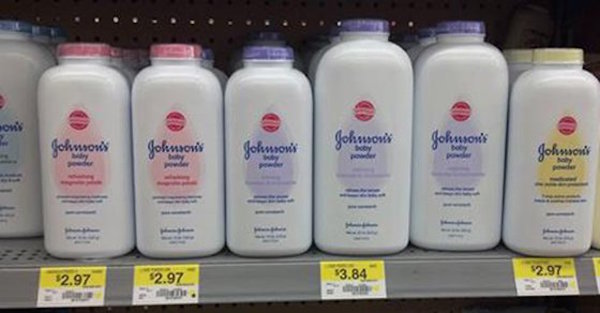
Baby powder like the one sold from Johnson and Johnson is increasing women’s risk of being diagnosed with ovarian cancer by 33%.

Dr. Daniel Cramer, epidemiologist, believes that at least 10,000 women develop ovarian cancer as a direct result from using baby powder on a daily basis.

The Shocking Facts

As early as 1982, studies have shown a link between baby powder and ovarian cancer in women. Findings have shown that women using talc­based powders are 300 times more likely to be diagnosed with cancer.

The research hit mainstream media by the New York Times and forced big corporation Johnson and Johnson to reveal the truth behind their product.

Read and Follow The Labels

If you have a bottle of baby powder in your house, go read the label and warnings (and then throw out the bottle).

Johnson and Johnson caution people to avoid the powder coming in contact with their eyes and to avoid inhalation. There’s nothing about talc particle’s ability to stay on the skin for years and travel to your ovaries.

Nor does it state anywhere on the bottle that talc causes inflammation and the perfect environment to grow cancer cells.

Yet, the big corporation admitted to being aware of the dangers of their baby powder as outlined in the 1982 study. And decided they didn’t need to warn their loyal customers of the dangerous side effects of using their line of baby powder products.

That’s Not All

Using baby powder on your baby is probably worse than using it on yourself. The American Academy of Pediatrics has warned parents against using baby powder specifically with talc. This mineral easily becomes airborne and can be inhaled by infants, causing their mucous membranes to dry up.

This effects breathing and can lead to wheezing in babies. Some reported cases of pneumonia in infants have also been traced back to the use of baby powder, but you’d never see that on the warning label.

Why Hide The Facts?

As with any big company, it was all about the money. Would you buy a product that is known to cause cancer? Probably not.

Many recent lawsuits, however, are forcing the company to change their warning label. With a giant “May Cause Cancer” sticker on the side, I think it’s safe to assume this would mean all Johnson and Johnson baby powders would have to be pulled from the shelf.

Safe Alternatives

For babies, the best substitute is petroleum jelly which will help heal a sore bottom. As for adults, it’s safe to use cornstarch­based baby powder to achieve the same soft­skin results.

The Italian study backs up tests carried out by the charity Medical Detection Dogs, which is based in Buckinghamshire.

Its co-founder Dr Claire Guest said its own research had found a 93% reliability rate when detecting bladder and prostate cancer, describing the new findings as “spectacular”.

The latest research, by the Department of Urology at the Humanitas Clinical and Research Centre in Milan, involved two German shepherds sniffing the urine of 900 men – 360 with prostate cancer and 540 without.

Scientists found that dog one got it right in 98.7% of cases, while for dog two this was 97.6%.

They said the dogs are able to detect prostate cancer specific volatile organic compounds in the urine but said an important question remains of how a dog would find it in daily practice.

Prostate cancer is the most common cancer in men in the UK, with more than 40,000 new cases diagnosed every year.

Dr Guest said: “These results are spectacular. They offer us further proof that dogs have the ability to detect human cancer.

“It is particularly exciting that we have such a high success rate in the detection of prostate cancer, for which the existing tests are woefully inadequate.”

She said there is currently a “reluctance to embrace this tested, time-old technology” but dogs can pick up a scent in a dilution of one to a thousand parts.

There is no single test for prostate cancer, but the most commonly used are blood tests, a physical examination or a biopsy.

“Over the years, millions of pounds of NHS funding has been poured into the traditional test methods, and yet there has been little improvement in their reliability,” Dr Guest added.

“This has caused a huge waste of resources, not to mention the distress to the impacted individuals.

“Moreover, the detection dogs provide alternative solution that yields consistently accurate results. If our detection dogs were a machine, there would be huge demand for them.”

Medical Detection Dogs, which is based in Milton Keynes, trains specialist canines to detect the odour of human disease. They also train Medical Alert Assistance dogs to help people with life-threatening health conditions go about their daily lives.

The research is published in the Journal Of Urology.

It’s 1 1/2 hours long, but well worth your time…

“The Whiter The Bread, The Sooner You’re Dead.”

bread-white

It has been known for a long time that white bread and refined grains in general aren’t particularly nutritious.

Nutritionists and dietitians all around the world have encouraged us to eat whole grains instead. But grains, especially gluten grains like wheat, have been under intense scrutiny in recent years.

Many respected health professionals now claim that bread and other sources of gluten grains are unnecessary at best and potentially harmful.

Bread is High in Carbs and Can Spike Blood Sugar Levels

Even whole grain bread usually isn’t made out of actual “whole” grains.

They are grains that have been pulverized into very fine flour. Even though this process reserves the nutrients, it causes these products to be digested rapidly. The starches in bread get broken down quickly in the digestive tract and enter the bloodstream as glucose.

This causes a rapid spike in blood sugar and insulin levels. Even whole wheat bread spikes blood sugar faster than many candy bars. When blood sugar goes up rapidly, it tends to go down just as quickly. When blood sugar goes down, we become hungry.

This is the blood sugar roller coaster that is familiar to people on high carb diets. Soon after eating, they become hungry again, which calls for another high-carb snack. Elevated blood sugars can also cause glycation at the cellular level when the blood sugars react with proteins in the body.

This is one of the components of ageing. Studies on carb restricted diets (which eliminate/reduce starches and sugars) suggest that individuals who are diabetic or need to lose weight should avoid ALL grains.

Bottom Line: Most breads are made of pulverized wheat. They are easily digested and rapidly spike blood sugar and insulin levels, which can lead to the notorious blood sugar “roller coaster” and stimulate overeating.

Bread Contains a Lot of Gluten

Wheat contains a large amount of a protein called gluten. This protein has glue-like properties (hence the name gluten) responsible for dough’s viscoelastic properties. Evidence is mounting that a significant percentage of the population is sensitive to gluten. When we eat bread that contains gluten (wheat, spelt, rye and barley), the immune system in our digestive tract “attacks” the gluten proteins.

Controlled trials in people without celiac disease show that gluten damages the wall of the digestive tract, causing pain, bloating, stool inconsistency and tiredness. Gluten sensitivity is also associated with some cases of schizophrenia and cerebellar ataxia – both serious disorders of the brain.

Gluten is probably harmful for most people, not just those with diagnosed celiac disease or gluten sensitivity. The only way to really know if you’re gluten sensitive is to remove gluten from your diet for 30 days and then reintroduce it and see whether it affects you.

Bottom Line: Most breads are made of gluten grains. Gluten causes an immune response in the digestive tract of susceptible individuals. This can cause digestive issues, pain, bloating, tiredness and other symptoms.

boy-eating-a-sandwich

Bread Contains Other Harmful Substances

Most commercial types of bread contain sugar or high fructose corn syrup, just like other processed foods. Sugar causes many adverse effects and eating processed foods that contain it is likely to have detrimental effects on health. Most grains also include the “anti nutrient” phytic acid.

Phytic acid is a molecule that strongly binds essential minerals like calcium, iron and zinc, preventing them from being absorbed. Soaking grains before baking can degrade the phytic acid, which should improve the availability of minerals.

Bottom Line: Most breads contain sugar, which is extremely bad for you. They also contain “anti nutrients” that block the absorption of minerals like calcium, iron and zinc.

Bread is Low in Essential Nutrients

There is NO nutrient in bread that you can’t get from other foods in even greater amounts.

Even whole wheat bread isn’t as nutritious as you may think. Not only is it low in nutrients compared to other real foods, it literally reduces the absorption of nutrients from other foods.

> Calorie for calorie, whole grain breads contain a low amount of nutrients compared to real foods like vegetables.

> The physic acid blocks absorption of minerals like iron, zinc and calcium.

> By damaging the intestinal lining, gluten decreases the absorption of all nutrients.

> Grains do not contain all the essential amino acids and are therefore poor sources of protein for humans.

> Wheat fiber may cause your body to burn through its Vitamin D stores much faster and contribute to vitamin d deficiency, which is associated with cancer, diabetes and death.

Bottom Line: Most breads aren’t very nutritious and the proteins in them aren’t of much use. A damaged intestinal lining along with phytic acid reduces availability of nutrients. Wheat may also exacerbate vitamin d deficiency.

wheat-field

Whole Wheat Raises The Bad Cholesterol

In one study, 36 men were randomized into two groups. They were instructed to eat either whole oat cereal or whole wheat cereal. After 12 weeks, the researchers measured blood lipid levels in both groups. The oat cereal decreased LDL cholesterol and small, dense LDL.

Basically, whole oats significantly improved the blood lipid profile. However, the whole wheat cereal increased total LDL cholesterol by 8% and small, dense LDL by a whopping 60%. Small, dense LDL is the type of cholesterol that is strongly associated with heart disease.

What this means is that whole wheat significantly harms blood lipids and may drastically raise your risk of heart disease. Yes, that slice of “heart-healthy” whole wheat bread may be killing you.

Bottom Line: Eating not-so-“heart healthy” whole wheat may raise small, dense LDL cholesterol by a whopping 60%. This type of cholesterol is strongly associated with heart disease.

Whole Wheat is Just “Less Bad” Than Refined Wheat

It is true that whole grain breads are better for you than breads made with refined grains. They contain more nutrients and fiber. However, they’re just the lesser of two evils. It’s like comparing unfiltered cigarettes to filtered cigarettes. Filtered cigarettes are less harmful, but that does not make them healthy.

If you really must include bread in your life, then there are some options that aren’t quite as bad. Bread made with soaked and sprouted grains may be less bad for you than regular bread. Preparing it this way reduces the amount of phytic acid.

Ezekiel bread, for example, is made of sprouted grains. This probably makes it less unhealthy than other breads. Gluten-free breads may also be healthier than those made with gluten grains like wheat, spelt, rye and barley.

Bottom Line: Whole grain breads are better for you than breads made with refined grains, but the best option is no bread at all. Breads made with soaked and sprouted grains may be less unhealthy.

Take Home Message

Anyone who needs to lose weight, has digestive issues or is somehow affected by the western diet should eliminate bread and other sources of gluten grains.

If a damaged intestinal wall, blood sugar roller coaster, bloating, tiredness and a 60% increase in small, dense LDL isn’t a good enough reasons to quit eating bread, then I don’t know what is.