Feeds:
Posts
Comments

The article: http://www.esotericonline.net/profiles/blogs/russian-scientist-photographs-the-soul-leaving-the-body-at-death

The timing of astral disembodiment in which the spirit leaves the body has been captured by Russian scientist Konstantin Korotkov, who photographed a person at the moment of his death with a bioelectrographic camera.

The image taken using the gas discharge visualization method, an advanced technique of Kirlian photography shows in blue the life force of the person leaving the body gradually.

According to Korotkov, navel and head are the parties who first lose their life force (which would be the soul) and the groin and the heart are the last areas where the spirit before surfing the phantasmagoria of the infinite.

In other cases according to Korotkov has noted that “the soul” of people who suffer a violent and unexpected death usually manifests a state of confusion in your power settings and return to the body in the days following death. This could be due to a surplus of unused energy.

The technique developed by Korotkov, who is director of the Research Institute of Physical Culture, St. Petersburg, is endorsed as a medical technology by the Ministry of Health of Russia and is used by more than 300 doctors in the world for stress and monitoring progress of patients treated for diseases such as cancer. Korotkov says his energy imaging technique could be used to watch all kinds of imbalances biophysical and diagnose in real time and also to show if a person does have psychic powers or is a fraud.

This technique, which measures real-time and stimulated radiation is amplified by the electromagnetic field is a more advanced version of the technology developed for measuring Semyon Kirlian aura.

Korotkov observations confirm, as proposed by Kirili, that “stimulated electro-photonic light around the tips of the fingers of the human being contains coherent and comprehensive statement of a person, both physically and psychologically.”

In this video interview Korotkov speaks of the effect in the bioenergy field with food, water and even cosmetics. And emphasizes one umbrella drink water and organic food, particularly noting that the aura of the people in the Undies suffers the negative effects of nutrients as technologization distributed in this society.

Korotkov also speaks of their measurements in supposedly loaded with power and influence that people have in the bioenergy fields of others. Checking Rupert Sheldrake’s experiment of the feeling of being watched : Because a person’s bioenergy field changes when someone else directs his attention, even though it is backwards and not consciously perceived. Also a place fields are altered when there is a concentration of tourists.

Also warns of cell phone use and their negative radiation often being carcinogenic, which several studies seem to confirm.

Korotkov hosting is optimistic that this new scientific field, which is a pioneer, is taking, especially in Russia, where some schools were teaching children to recognize and use energy, and not as a suspect but as a metaphysical quantifiable fact.

‘There is some staggering photographic and video evidence demonstrating some of the technologies, particularly shocking is the Oldfield Camera Filter which using a normal camera appears to show ghosts or other wordly entities clearly in photographs! Truly amazing stuff!

Harry, the author of ‘Harry Oldfield’s Invisible Universe’ goes on to demonstrate how through various technologies he is able to reveal aspects of this previously unseen universe in all their glory!

Three decades of research into this area and considerable practical application enable Harry to present some very convincing evidence that there is far more to the Universe than that which we currently experience with the 5 senses.’

10 American Foods That Are Banned in Other Countries
Americans are slowly waking up to the sad fact that much of the food sold in the US is far inferior to the same foods sold in other nations. In fact, many of the foods you eat are BANNED in other countries.
Here is a review of 10 American foods that are banned elsewhere, which were featured in a recent MSN article.1
Seeing how the overall health of Americans is so much lower than other industrialized countries, you can’t help but wonder whether toxic foods such as these might play a role in our skyrocketing disease rates.

#1: Farm-Raised Salmon

If you want to maximize health benefits from fish, you want to steer clear of farmed fish, particularly farmed salmon fed dangerous chemicals. Wild salmon gets its bright pinkish-red color from natural carotenoids in their diet. Farmed salmon, on the other hand, are raised on a wholly unnatural diet of grains (including genetically engineered varieties), plus a concoction of antibiotics and other drugs and chemicals not shown to be safe for humans.
This diet leaves the fish with unappetizing grayish flesh so to compensate, they’re fed synthetic astaxanthin made from petrochemicals, which has not been approved for human consumption and has well known toxicities. According to the featured article, some studies suggest it can potentially damage your eyesight. More details are available in yesterday’s article.
Where it’s banned: Australia and New Zealand
How can you tell whether a salmon is wild or farm-raised? The flesh of wild sockeye salmon is bright red, courtesy of its natural astaxanthin content. It’s also very lean, so the fat marks, those white stripes you see in the meat, are very thin. If the fish is pale pink with wide fat marks, the salmon is farmed.
Avoid Atlantic salmon, as typically salmon labeled “Atlantic Salmon” currently comes from fish farms. The two designations you want to look for are: “Alaskan salmon,” and “sockeye salmon,” as Alaskan sockeye is not allowed to be farmed. Please realize that the vast majority of all salmon sold in restaurants is farm raised.
So canned salmon labeled “Alaskan Salmon” is a good bet, and if you find sockeye salmon, it’s bound to be wild. Again, you can tell sockeye salmon from other salmon by its color; its flesh is bright red opposed to pink, courtesy of its superior astaxanthin content. Sockeye salmon actually has one of the highest concentrations of astaxanthin of any food.

#2: Genetically Engineered Papaya

Most Hawaiian papaya is now genetically engineered to be resistant to ringspot virus. Mounting research now shows that animals fed genetically engineered foods, such as corn and soy, suffer a wide range of maladies, including intestinal damage, multiple-organ damage, massive tumors, birth defects, premature death, and near complete sterility by the third generation of offspring. Unfortunately, the gigantic human lab experiment is only about 10 years old, so we are likely decades away from tabulating the human casualties.
Where it’s banned: The European Union
Unfortunately, it’s clear that the US government is not in a position to make reasonable and responsible decisions related to genetically engineered foods at this point, when you consider the fact that the Obama administration has placed former Monsanto attorney and Vice President, Michael Taylor, in charge of US food safety, and serious conflicts of interest even reign supreme within the US Supreme Court! That’s right. Supreme Court Justice Clarence Thomas is also a former Monsanto attorney, but refuses to acknowledge any conflict of interest.

#3: Ractopamine-Tainted Meat

The beta agonist drug ractopamine (a repartitioning agent that increases protein synthesis) was recruited for livestock use when researchers found that the drug, used in asthma, made mice more muscular. This reduces the overall fat content of the meat. Ractopamine is currently used in about 45 percent of US pigs, 30 percent of ration-fed cattle, and an unknown percentage of turkeys are pumped full of this drug in the days leading up to slaughter. Up to 20 percent of ractopamine remains in the meat you buy from the supermarket, according to veterinarian Michael W. Fox.
Since 1998, more than 1,700 people have been “poisoned” from eating pigs fed the drug, and ractopamine is banned from use in food animals in no less than 160 different countries due to its harmful health effects! Effective February 11, 2013, Russia issued a ban on US meat imports, slated to last until the US agrees to certify that the meat is ractopamine-free. At present, the US does not even test for the presence of this drug in meats sold. In animals, ractopamine is linked to reductions in reproductive function, increase of mastitis in dairy herds, and increased death and disability. It’s also known to affect the human cardiovascular system, and is thought to be responsible for hyperactivity, and may cause chromosomal abnormalities and behavioral changes.
Where it’s banned: 160 countries across Europe, Russia, mainland China and Republic of China (Taiwan)

#4: Flame Retardant Drinks

If you live in the US and drink Mountain Dew and some other citrus-flavored sodas and sports drinks, then you are also getting a dose of a synthetic chemical called brominated vegetable oil (BVO), which was originally patented by chemical companies as a flame retardant.
BVO has been shown to bioaccumulate in human tissue and breast milk, and animal studies have found it causes reproductive and behavioral problems in large doses. Bromine is a central nervous system depressant, and a common endocrine disruptor.
It’s part of the halide family, a group of elements that includes fluorine, chlorine and iodine. When ingested, bromine competes for the same receptors that are used to capture iodine. This can lead to iodine deficiency, which can have a very detrimental impact on your health. Bromine toxicity can manifest as skin rashes, acne, loss of appetite, fatigue, and cardiac arrhythmias. According to the featured article:
“The FDA has flip-flopped on BVO’s safety originally classifying it as ‘generally recognized as safe’ but reversing that call now defining it as an ‘interim food additive’ a category reserved for possibly questionable substances used in food.”
Where it’s banned: Europe and Japan

#5: Processed Foods Containing Artificial Food Colors and Dyes

More than 3,000 food additives — preservatives, flavorings, colors and other ingredients — are added to US foods, including infant foods and foods targeted to young children. Meanwhile, many of these are banned in other countries, based on research showing toxicity and hazardous health effects, especially with respect to adverse effects on children’s behavior. For example, as reported in the featured article:
“Boxed Mac & Cheese, cheddar flavored crackers, Jell-O and many kids’ cereals contain red 40, yellow 5, yellow 6 and/or blue 2, the most popularly-used dyes in the United States. Research has shown this rainbow of additives can cause behavioral problems as well as cancer, birth defects and other health problems in laboratory animals. Red 40 and yellow 6 are also suspected of causing an allergy-like hypersensitivity reaction in children. The Center for Science in the Public Interest reports that some dyes are also “contaminated with known carcinogens.”
In countries where these food colors and dyes are banned, food companies like Kraft employ natural colorants instead, such as paprika extract, beetroot, and annatto. The food blogger and activist Vani Hari, better known as “Food Babe,” recently launched a Change.org petition2 asking Kraft to remove artificial dyes from American Mac & Cheese to protect American children from the well-known dangers of these dyes.
Where it’s banned: Norway and Austria. In 2009, the British government advised companies to stop using food dyes by the end of that year. The European Union also requires a warning notice on most foods containing dyes.

#6: Arsenic-Laced Chicken

Arsenic-based drugs are approved for use in animal feed in the US because they make animals grow quicker and make the meat appear pinker (i.e. “fresher”). The US Food and Drug Administration (FDA) has stated these products are safe because they contain organic arsenic, which is less toxic than the other inorganic form, which is a known carcinogen.
The problem is, scientific reports surfaced stating that the organic arsenic could transform into inorganic arsenic, which has been found in elevated levels in supermarket chickens. The inorganic arsenic also contaminates manure where it can eventually migrate into drinking water and may also be causing heightened arsenic levels in US rice.
In 2011, Pfizer announced it would voluntarily stop marketing its arsenic-based feed additive Roxarsone, but there are still several others on the market. Several environmental groups have filed a lawsuit against the FDA calling for their removal from the market. In the European Union, meanwhile, arsenic-based compounds have never been approved as safe for animal feed.
Where it’s banned: The European Union

#7: Bread with Potassium Bromate

You might not be aware of this, but nearly every time you eat bread in a restaurant or consume a hamburger or hotdog bun you are consuming bromide, as it is commonly used in flours. The use of potassium bromate as an additive to commercial breads and baked goods has been a huge contributor to bromide overload in Western cultures.
Bromated flour is “enriched” with potassium bromate. Commercial baking companies claim it makes the dough more elastic and better able to stand up to bread hooks.
However, Pepperidge Farm and other successful companies manage to use only unbromated flour without any of these so-called “structural problems.” Studies have linked potassium bromate to kidney and nervous system damage, thyroid problems, gastrointestinal discomfort, and cancer. The International Agency for Research on Cancer classifies potassium bromate as a possible carcinogen.
Where it’s banned: Canada, China and the EU

#8: Olestra/Olean

Olestra, aka Olean, created by Procter & Gamble, is a calorie- and cholesterol-free fat substitute used in fat-free snacks like chips and French fries. Three years ago, Time Magazine3 named it one of the worst 50 inventions ever, but that hasn’t stopped food companies from using it to satisfy people’s mistaken belief that a fat-free snack is a healthier snack. According to the featured article:
“Not only did a 2011 study from Purdue University conclude rats fed potato chips made with Olean gained weight, there have been several reports of adverse intestinal reactions to the fake fat including diarrhea, cramps and leaky bowels. And because it interferes with the absorption of fat soluble vitamins such as A, D, E and K, the FDA requires these vitamins be added to any product made with Olean or olestra.”
Where it’s banned: The UK and Canada

#9: Preservatives BHA and BHT

BHA (butylated hydroxyanisole) and BHT (butylated hydroxytoluene) are commonly used preservatives that can be found in breakfast cereal, nut mixes, chewing gum, butter spread, meat, dehydrated potatoes, and beer, just to name a few. BHA is known to cause cancer in rats, and may be a cancer-causing agent in humans as well. In fact, according to the US Department of Health and Human Services, National Toxicology Program’s 2011 Report on Carcinogens, BHA “is reasonably anticipated to be a human carcinogen.” It may also trigger allergic reactions and hyperactivity, while BHT can cause organ system toxicity.
Where it’s banned: The UK doesn’t allow BHA in infant foods. BHA and BHT are also banned in parts of the European Union and Japan.

#10: Milk and Dairy Products Laced with rBGH

Recombinant bovine growth hormone (rBGH) is the largest selling dairy animal drug in America. RBGH is a synthetic version of natural bovine somatotropin (BST), a hormone produced in cows’ pituitary glands. Monsanto developed the recombinant version from genetically engineered E. coli bacteria and markets it under the brand name “Posilac.”
It’s injected into cows to increase milk production, but it is banned in at least 30 other nations because of its dangers to human health, which include an increased risk for colorectal, prostate, and breast cancer by promoting conversion of normal tissue cells into cancerous ones. Non-organic dairy farms frequently have rBGH-injected cows that suffer at least 16 different adverse health conditions, including very high rates of mastitis that contaminate milk with pus and antibiotics.
“According to the American Cancer Society, the increased use of antibiotics to treat this type of rBGH-induced inflammation ‘does promote the development of antibiotic-resistant bacteria, but the extent to which these are transmitted to humans is unclear,’” the featured article states.
Many have tried to inform the public of the risks of using this hormone in dairy cows, but their attempts have been met with overwhelming opposition by the powerful dairy and pharmaceutical industries, and their government liaisons. In 1997, two Fox-affiliate investigative journalists, Jane Akre and Steve Wilson, attempted to air a program exposing the truth about the dangers of rBGH. Lawyers for Monsanto, a major advertiser with the Florida network, sent letters promising “dire consequences” if the story aired.
Despite decades of evidence about the dangers of rBGH, the FDA still maintains it’s safe for human consumption and ignores scientific evidence to the contrary. In 1999, the United Nations Safety Agency ruled unanimously not to endorse or set safety standards for rBGH milk, which has effectively resulted in an international ban on US milk.4 The Cancer Prevention Coalition, trying for years to get the use of rBGH by the dairy industry banned, resubmitted a petition to FDA Commissioner Margaret Hamburg, MD, in January 2010.5 Although the FDA stubbornly sticks to its position that milk from rBGH-treated cows is no different than milk from untreated cows, this is just plain false and is not supported by science. The only way to avoid rBGH is to look for products labeled as “rBGH-free” or “No rBGH.”
Where it’s banned: Australia, New Zealand, Israel, EU and Canada

Take Control of Your Health with REAL Food

There are many other examples where the US federal regulatory agencies have sold out to industry at the expense of your health, while other countries have chosen to embrace the precautionary principle in order to protect their citizens. If you want to avoid these questionable foods and other potentially harmful ingredients permitted in the US food supply, then ditching processed foods entirely is your best option. About 90 percent of the money Americans spend on food is spent on processed foods, so there is massive room for improvement in this area for most people.
Next, you’ll want to swap out your regular meat sources to organic, grass-fed/pasture-raised versions of beef and poultry. The same goes for dairy products and animal by-products such as eggs.
Swapping your processed-food diet for one that focuses on fresh whole foods is a necessity if you value your health. For a step-by-step guide to make this a reality in your own life, whether you live in the US or elsewhere, simply follow the advice in my optimized nutrition plan, starting with the beginner plan first.

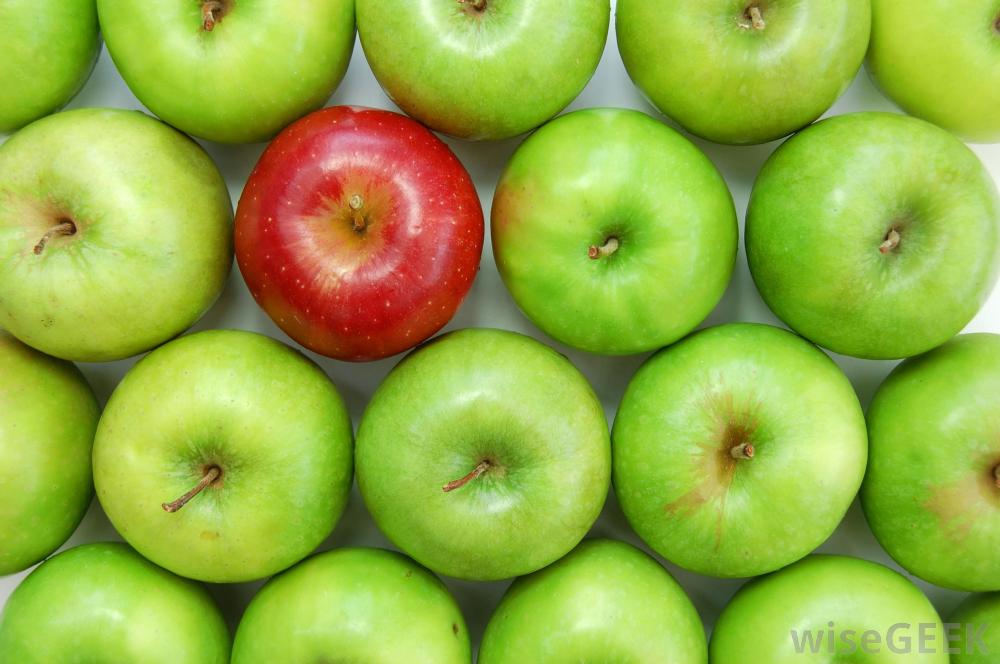
What happens when you eat an apple? The answer is vastly more complex than you imagine.

Every apple contains thousands of antioxidants whose names, beyond a few like vitamin C, are unfamiliar to us, and each of these powerful chemicals has the potential to play an important role in supporting our health. They impact thousands upon thousands of metabolic reactions inside the human body. But calculating the specific influence of each of these chemicals isn’t nearly sufficient to explain the effect of the apple as a whole. Because almost every chemical can affect every other chemical, there is an almost infinite number of possible biological consequences.

And that’s just from an apple.

green-apples-with-one-red-apple

Acid/Alkaline?

Generally, our bodies are constantly in an acidic state. That’s because of the food we eat (and drink). The consequence of too much acidity in the body? Cancer, no less. It is well documented that cancer cannot survive in an alkaline environment. But of course, too much alkalinity also has its consequences, but not as dire as too much acidity.

This chart will explain everything…


58804_10151277040245863_1332906320_n

Many of society’s most devastating diseases — cancer, cardiovascular disease, diabetes and Alzheimer’s, to name a few — share a common denominator: faulty angiogenesis, the body’s growth of new capillary blood vessels. Given excessive or insufficient blood vessel growth, serious health issues arise. While researching under Harvard surgeon Judah Folkman, who pioneered the study of angiogenesis, Li learned how angiogenesis-based medicine helps patients overcome numerous diseases by restoring the balance of blood-vessel growth.

Li co-founded the Angiogenesis Foundation in 1994. The foundation’s Project ENABLE — a global system that integrates patients, medical experts and healthcare professionals — democratizes the spread and implementation of knowledge about angiogenesis-based medicines, diet and lifestyle. Some 40,000 physicians have been educated on new treatments, ranging from cancer care to wound care, by the foundation’s faculty of medical experts, and they are bringing new, lifesaving and disease-preventing techniques to people around the world.

William Li heads the Angiogenesis Foundation, a nonprofit that is re-conceptualizing global disease fighting.

No one in this world is 100% certain what causes cancer. The doctors don’t know, although they think they know. If they knew what caused cancer, don’t you think they would also be able to find the cure??

Watch the video, it also tells you how to prevent cancer.

992923_507325166008657_741050508_nHere are Ten health benefits from eating avocados:

1.) Promotes a healthy brain
2.) Promotes a healthy heart
3.) Rich in Folic acid
4.) Promotes eye health
5.) Good blood pressure
6.) Helps prevent blood sugar spike
7.) Anti-inflamatory
8.) Anti-aging properties
9.) Promotes digestion
10.) Prevents Cancer

If you juice …

217424_10151378733420863_2014617028_n

It’s a long article, but worth reading. And it may save you lots of money. Randolph
http://www.theatlantic.com/health/archive/2013/07/the-vitamin-myth-why-we-think-we-need-supplements/277947/

The Vitamin Myth: Why We Think We Need Supplements

Nutrition experts contend that all we need is what’s typically found in a routine diet. Industry representatives, backed by a fascinating history, argue that foods don’t contain enough, and we need supplements. Fortunately, many excellent studies have now resolved the issue.
vitamingc

On October 10, 2011, researchers from the University of Minnesota found that women who took supplemental multivitamins died at rates higher than those who didn’t. Two days later, researchers from the Cleveland Clinic found that men who took vitamin E had an increased risk of prostate cancer. “It’s been a tough week for vitamins,” said Carrie Gann of ABC News.

These findings weren’t new. Seven previous studies had already shown that vitamins increased the risk of cancer and heart disease and shortened lives. Still, in 2012, more than half of all Americans took some form of vitamin supplements. What few people realize, however, is that their fascination with vitamins can be traced back to one man. A man who was so spectacularly right that he won two Nobel Prizes and so spectacularly wrong that he was arguably the world’s greatest quack.

In 1931, Linus Pauling published a paper in the Journal of the American Chemical Society titled “The Nature of the Chemical Bond.” Before publication, chemists knew of two types of chemical bonds: ionic, where one atom gives up an electron to another; and covalent, where atoms share electrons. Pauling argued that it wasn’t that simple — electron sharing was somewhere between ionic and covalent. Pauling’s idea revolutionized the field, marrying quantum physics with chemistry. His concept was so revolutionary in fact that when the journal editor received the manuscript, he couldn’t find anyone qualified to review it. When Albert Einstein was asked what he thought of Pauling’s work, he shrugged his shoulders. “It was too complicated for me,” he said.

For this single paper, Pauling received the Langmuir Prize as the most outstanding young chemist in the United States, became the youngest person elected to the National Academy of Sciences, was made a full professor at Caltech, and won the Nobel Prize in Chemistry. He was 30 years old.

In 1949, Pauling published a paper in Science titled “Sickle Cell Anemia, a Molecular Disease.” At the time, scientists knew that hemoglobin (the protein in blood that transports oxygen) crystallized in the veins of people with sickle-cell anemia, causing joint pain, blood clots, and death. But they didn’t know why. Pauling was the first to show that sickle hemoglobin had a slightly different electrical charge — a quality that dramatically affected how the hemoglobin reacted with oxygen. His finding gave birth to the field of molecular biology.

In 1951, Pauling published a paper in the Proceedings of the National Academy of Sciences titled “The Structure of Proteins.” Scientists knew that proteins were composed of a series of amino acids. Pauling proposed that proteins also had a secondary structure determined by how they folded upon themselves. He called one configuration the alpha helix — later used by James Watson and Francis Crick to explain the structure of DNA.

In 1961, Pauling collected blood from gorillas, chimpanzees, and monkeys at the San Diego Zoo. He wanted to see whether mutations in hemoglobin could be used as a kind of evolutionary clock. Pauling showed that humans had diverged from gorillas about 11 million years ago, much earlier than scientists had suspected. A colleague later remarked, “At one stroke he united the fields of paleontology, evolutionary biology, and molecular biology.”

Pauling’s accomplishments weren’t limited to science. Beginning in the 1950s — and for the next forty years — he was the world’s most recognized peace activist. Pauling opposed the internment of Japanese Americans during World War II, declined Robert Oppenheimer’s offer to work on the Manhattan Project, stood up to Senator Joseph McCarthy by refusing a loyalty oath, opposed nuclear proliferation, publicly debated nuclear-arms hawks like Edward Teller, forced the government to admit that nuclear explosions could damage human genes, convinced other Nobel Prize winners to oppose the Vietnam War, and wrote the best-selling book No More War! Pauling’s efforts led to the Nuclear Test Ban Treaty. In 1962, he won the Nobel Peace Prize — the first person ever to win two unshared Nobel Prizes.

In addition to his election to the National Academy of Sciences, two Nobel Prizes, the National Medal of Science, and the Medal for Merit (which was awarded by the president of the United States), Pauling received honorary degrees from Cambridge University, the University of London, and the University of Paris. In 1961, he appeared on the cover of Time magazine’s Men of the Year issue, hailed as one of the greatest scientists who had ever lived.

Then all the rigor, hard work, and hard thinking that had made Linus Pauling a legend disappeared. In the words of a colleague, his “fall was as great as any classic tragedy.”

The turning point came in March 1966, when Pauling was 65 years old. He had just received the Carl Neuberg Medal. “During a talk in New York City,” recalled Pauling, “I mentioned how much pleasure I took in reading about the discoveries made by scientists in their various investigations of the nature of the world, and stated that I hoped I could live another twenty-five years in order to continue to have this pleasure. On my return to California I received a letter from a biochemist, Irwin Stone, who had been at the talk. He wrote that if I followed his recommendation of taking 3,000 milligrams of vitamin C, I would live not only 25 years longer, but probably more.” Stone, who referred to himself as Dr. Stone, had spent two years studying chemistry in college. Later, he received an honorary degree from the Los Angeles College of Chiropractic and a “PhD” from Donsbach University, a non-accredited correspondence school in Southern California.

Pauling followed Stone’s advice. “I began to feel livelier and healthier,” he said. “In particular, the severe colds I had suffered several times a year all my life no longer occurred. After a few years, I increased my intake of vitamin C to ten times, then twenty times, and then three hundred times the RDA: now 18,000 milligrams per day.”

From that day forward, people would remember Linus Pauling for one thing: vitamin C.

In 1970, Pauling published Vitamin C and the Common Cold, urging the public to take 3,000 milligrams of vitamin C every day (about 50 times the recommended daily allowance). Pauling believed that the common cold would soon be a historical footnote. “It will take decades to eradicate the common cold completely,” he wrote, “but it can, I believe, be controlled entirely in the United States and some other countries within a few years. I look forward to witnessing this step toward a better world.” Pauling’s book became an instant best seller. Paperback versions were printed in 1971 and 1973, and an expanded edition titled Vitamin C, the Common Cold and the Flu, published three years later, promised to ward off a predicted swine flu pandemic. Sales of vitamin C doubled, tripled, and quadrupled. Drugstores couldn’t keep up with demand. By the mid-1970s, 50 million Americans were following Pauling’s advice. Vitamin manufacturers called it “the Linus Pauling effect.”

Scientists weren’t as enthusiastic. On December 14, 1942, about thirty years before Pauling published his first book, Donald Cowan, Harold Diehl, and Abe Baker, from the University of Minnesota, published a paper in the Journal of the American Medical Association titled “Vitamins for the Prevention of Colds.” The authors concluded, “Under the conditions of this controlled study, in which 980 colds were treated . . . there is no indication that vitamin C alone, an antihistamine alone, or vitamin C plus an antihistamine have any important effect on the duration or severity of infections of the upper respiratory tract.”

Other studies followed. After Pauling’s pronouncement, researchers at the University of Maryland gave 3,000 milligrams of vitamin C every day for three weeks to eleven volunteers and a sugar pill (placebo) to ten others. Then they infected volunteers with a common cold virus. All developed cold symptoms of similar duration. At the University of Toronto, researchers administered vitamin C or placebo to 3,500 volunteers. Again, vitamin C didn’t prevent colds, even in those receiving as much as 2,000 milligrams a day. In 2002, researchers in the Netherlands administered multivitamins or placebo to more than 600 volunteers. Again, no difference. At least 15 studies have now shown that vitamin C doesn’t treat the common cold. As a consequence, neither the FDA, the American Academy of Pediatrics, the American Medical Association, the American Dietetic Association, the Center for Human Nutrition at the Johns Hopkins Bloomberg School of Public Health, nor the Department of Health and Human Services recommend supplemental vitamin C for the prevention or treatment of colds.

Although study after study showed that he was wrong, Pauling refused to believe it, continuing to promote vitamin C in speeches, popular articles, and books. When he occasionally appeared before the media with obvious cold symptoms, he said he was suffering from allergies.

Then Linus Pauling upped the ante. He claimed that vitamin C not only prevented colds; it cured cancer.

In 1971, Pauling received a letter from Ewan Cameron, a Scottish surgeon from a tiny hospital outside Glasgow. Cameron wrote that cancer patients who were treated with ten grams of vitamin C every day had fared better than those who weren’t. Pauling was ecstatic. He decided to publish Cameron’s findings in the Proceedings of the National Academy of Sciences (PNAS). Pauling assumed that as a member of the academy he could publish a paper in PNAS whenever he wanted; only three papers submitted by academy members had been rejected in more than half a century. Pauling’s paper was rejected anyway, further tarnishing his reputation among scientists. Later, the paper was published in Oncology, a journal for cancer specialists. When researchers evaluated the data, the flaw became obvious: the cancer victims Cameron had treated with vitamin C were healthier at the start of therapy, so their outcomes were better. After that, scientists no longer took Pauling’s claims about vitamins seriously.

But Linus Pauling still had clout with the media. In 1971, he declared that vitamin C would cause a 10 percent decrease in deaths from cancer. In 1977, he went even further. “My present estimate is that a decrease of 75 percent can be achieved with vitamin C alone,” he wrote, “and a further decrease by use of other nutritional supplements.” With cancer in their rearview mirror, Pauling predicted, Americans would live longer, healthier lives. “Life expectancy will be 100 to 110 years,” he said, “and in the course of time, the maximum age might be 150 years.”

Cancer victims now had reason for hope. Wanting to participate in the Pauling miracle, they urged their doctors to give them massive doses of vitamin C. “For about seven or eight years, we were getting a lot of requests from our families to use high-dose vitamin C,” recalls John Maris, chief of oncology and director of the Center for Childhood Cancer Research at the Children’s Hospital of Philadelphia. “We struggled with that. They would say, ‘Doctor, do you have a Nobel Prize?’ ”

Blindsided, cancer researchers decided to test Pauling’s theory. Charles Moertel, of the Mayo Clinic, evaluated 150 cancer victims: half received ten grams of vitamin C a day and half didn’t. The vitamin C-treated group showed no difference in symptoms or mortality. Moertel concluded, “We were unable to show a therapeutic benefit of high-dose vitamin C.” Pauling was outraged. He wrote an angry letter to the New England Journal of Medicine, which had published the study, claiming that Moertel had missed the point. Of course vitamin C hadn’t worked: Moertel had treated patients who had already received chemotherapy. Pauling claimed that vitamin C worked only if cancer victims had received no prior chemotherapy.

Bullied, Moertel performed a second study; the results were the same. Moertel concluded, “Among patients with measurable disease, none had objective improvement. It can be concluded that high-dose vitamin C therapy is not effective against advanced malignant disease regardless of whether the patient had received any prior chemotherapy.” For most doctors, this was the end of it. But not for Linus Pauling. He was simply not to be contradicted. Cameron observed, “I have never seen him so upset. He regards the whole affair as a personal attack on his integrity.” Pauling thought Moertel’s study was a case of “fraud and deliberate misrepresentation.” He consulted lawyers about suing Moertel, but they talked him out of it.

Subsequent studies have consistently shown that vitamin C doesn’t treat cancer.

Pauling wasn’t finished. Next, he claimed that vitamin C, when taken with massive doses of vitamin A (25,000 international units) and vitamin E (400 to 1,600 IU), as well as selenium (a basic element) and beta-carotene (a precursor to vitamin A), could do more than just prevent colds and treat cancer; they could treat virtually every disease known to man. Pauling claimed that vitamins and supplements could cure heart disease, mental illness, pneumonia, hepatitis, polio, tuberculosis, measles, mumps, chickenpox, meningitis, shingles, fever blisters, cold sores, canker sores, warts, aging, allergies, asthma, arthritis, diabetes, retinal detachment, strokes, ulcers, shock, typhoid fever, tetanus, dysentery, whooping cough, leprosy, hay fever, burns, fractures, wounds, heat prostration, altitude sickness, radiation poisoning, glaucoma, kidney failure, influenza, bladder ailments, stress, rabies, and snakebites. When the AIDS virus entered the United States in the 1970s, Pauling claimed vitamins could treat that, too.

On April 6, 1992, the cover of Time — rimmed with colorful pills and capsule — declared: “The Real Power of Vitamins: New research shows they may help fight cancer, heart disease, and the ravages of aging.” The article, written by Anastasia Toufexis, echoed Pauling’s ill-founded, disproved notions about the wonders of megavitamins. “More and more scientists are starting to suspect that traditional medical views of vitamins and minerals have been too limited,” wrote Toufexis. “Vitamins — often in doses much higher than those usually recommended — may protect against a host of ills ranging from birth defects and cataracts to heart disease and cancer. Even more provocative are glimmerings that vitamins can stave off the normal ravages of aging.” Toufexis enthused that the “pharmaceutical giant Hoffman-La Roche is so enamored with beta-carotene that it plans to open a Freeport, Texas, plant next year that will churn out 350 tons of the nutrient annually, or enough to supply a daily 6 milligram capsule to virtually every American adult.”

The National Nutritional Foods Association (NNFA), a lobbying group for vitamin manufacturers, couldn’t believe its good luck, calling the Time article “a watershed event for the industry.” As part of an effort to get the FDA off their backs, the NNFA distributed multiple copies of the magazine to every member of Congress. Speaking at an NNFA trade show later in 1992, Toufexis said, “In fifteen years at Time I have written many health covers. But I have never seen anything like the response to the vitamin cover. It whipped off the sales racks, and we were inundated with requests for copies. There are no more copies. ‘Vitamins’ is the number-one-selling issue so far this year.”

Although studies had failed to support him, Pauling believed that vitamins and supplements had one property that made them cure-alls, a property that continues to be hawked on everything from ketchup to pomegranate juice and that rivals words like natural and organic for sales impact: antioxidant.

Antioxidation vs. oxidation has been billed as a contest between good and evil. The battle takes place in cellular organelles called mitochondria, where the body converts food to energy, a process that requires oxygen and so is called oxidation. One consequence of oxidation is the generation of electron scavengers called free radicals (evil). Free radicals can damage DNA, cell membranes, and the lining of arteries; not surprisingly, they’ve been linked to aging, cancer, and heart disease. To neutralize free radicals, the body makes its own antioxidants (good). Antioxidants can also be found in fruits and vegetables — specifically, selenium, beta-carotene, and vitamins A, C, and E. Studies have shown that people who eat more fruits and vegetables have a lower incidence of cancer and heart disease and live longer. The logic is obvious: if fruits and vegetables contain antioxidants — and people who eat lots of fruits and vegetables are healthier — then people who take supplemental antioxidants should also be healthier.

In fact, they’re less healthy.

In 1994, the National Cancer Institute, in collaboration with Finland’s National Public Health Institute, studied 29,000 Finnish men, all long-term smokers more than fifty years old. This group was chosen because they were at high risk for cancer and heart disease. Subjects were given vitamin E, beta-carotene, both, or neither. The results were clear: those taking vitamins and supplements were more likely to die from lung cancer or heart disease than those who didn’t take them — the opposite of what researchers had anticipated.

In 1996, investigators from the Fred Hutchinson Cancer Research Center, in Seattle, studied 18,000 people who, because they had been exposed to asbestos, were at increased risk of lung cancer. Again, subjects received vitamin A, beta-carotene, both, or neither. Investigators ended the study abruptly when they realized that those who took vitamins and supplements were dying from cancer and heart disease at rates 28 and 17 percent higher, respectively, than those who didn’t.

In 2004, researchers from the University of Copenhagen reviewed fourteen randomized trials involving more than 170,000 people who took vitamins A, C, E, and beta-carotene to see whether antioxidants could prevent intestinal cancers. Again, antioxidants didn’t live up to the hype. The authors concluded, “We could not find evidence that antioxidant supplements can prevent gastrointestinal cancers; on the contrary, they seem to increase overall mortality.” When these same researchers evaluated the seven best studies, they found that death rates were 6 percent higher in those taking vitamins.

In 2005, researchers from Johns Hopkins School of Medicine evaluated nineteen studies involving more than 136,000people and found an increased risk of death associated with supplemental vitamin E. Dr. Benjamin Caballero, director of the Center for Human Nutrition at the Johns Hopkins Bloomberg School of Public Health, said, “This reaffirms what others have said. The evidence for supplementing with any vitamin, particularly vitamin E, is just not there. This idea that people have that [vitamins] will not hurt them may not be that simple.” That same year, a study published in the Journal of theAmerican Medical Association evaluated more than 9,000 people who took high-dose vitamin E to prevent cancer; those who took vitamin E were more likely to develop heart failure than those who didn’t.

In 2007, researchers from the National Cancer Institute examined 11,000 men who did or didn’t take multivitamins. Those who took multivitamins were twice as likely to die from advanced prostate cancer.

In 2008, a review of all existing studies involving more than 230,000 people who did or did not receive supplemental antioxidants found that vitamins increased the risk of cancer and heart disease.

On October 10, 2011, researchers from the University of Minnesota evaluated 39,000 older women and found that those who took supplemental multivitamins, magnesium, zinc, copper, and iron died at rates higher than those who didn’t. They concluded, “Based on existing evidence, we see little justification for the general and widespread use of dietary supplements.”

Two days later, on October 12, researchers from the Cleveland Clinic published the results of a study of 36,000 men who took vitamin E, selenium, both, or neither. They found that those receiving vitamin E had a 17 percent greater risk of prostate cancer. In response to the study, Steven Nissen, chairman of cardiology at the Cleveland Clinic, said, “The concept of multivitamins was sold to Americans by an eager nutraceutical industry to generate profits. There was never any scientific data supporting their usage.” On October 25, a headline in the Wall Street Journal asked, “Is This the End of Popping Vitamins?” Studies haven’t hurt sales. In 2010, the vitamin industry grossed $28 billion, up 4.4 percent from the year before. “The thing to do with [these reports] is just ride them out,” said Joseph Fortunato, chief executive of General Nutrition Centers. “We see no impact on our business.”

How could this be? Given that free radicals clearly damage cells — and given that people who eat diets rich in substances that neutralize free radicals are healthier — why did studies of supplemental antioxidants show they were harmful? The most likely explanation is that free radicals aren’t as evil as advertised. Although it’s clear that free radicals can damage DNA and disrupt cell membranes, that’s not always a bad thing. People need free radicals to kill bacteria and eliminate new cancer cells. But when people take large doses of antioxidants, the balance between free radical production and destruction might tip too much in one direction, causing an unnatural state in which the immune system is less able to kill harmful invaders. Researchers have called this “the antioxidant paradox.” Whatever the reason, the data are clear: high doses of vitamins and supplements increase the risk of heart disease and cancer; for this reason, not a single national or international organization responsible for the public’s health recommends them.

In May 1980, during an interview at Oregon State University, Linus Pauling was asked, “Does vitamin C have any side effects on long-term use of, let’s say, gram quantities?” Pauling’s answer was quick and decisive. “No,” he replied.

Seven months later, his wife was dead of stomach cancer. In 1994, Linus Pauling died of prostate cancer.